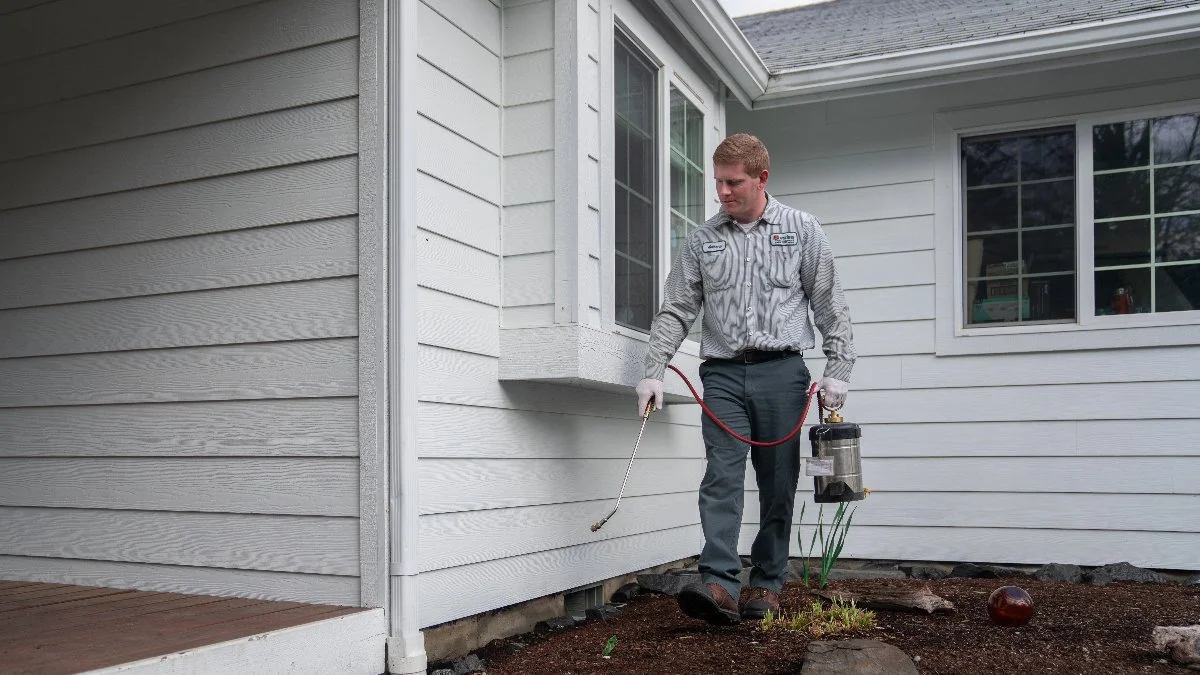
You notice ants near the sink on a damp Bremerton morning, wipe them up, and hope that’s the end of it. Usually, it isn’t. The best pest prevention tips are small, boring habits that work quietly in the background, and that’s exactly what keeps a minor nuisance from turning into a real problem.
1. Seal the small gaps pests use like front doors
Tiny openings do a lot more damage than most people expect. A gap under a back door, a crack near a pipe, or a loose vent edge can be enough for ants, spiders, and mice to get inside. Walk the outside of your home or building and check windows, door frames, utility lines, vents, and the foundation. Caulk handles small cracks, weatherstripping helps around doors and windows, and a door sweep closes that easy path at the bottom. If a gap looks minor, fix it anyway. Pests treat it like an open invitation.
2. Keep food sealed up and crumbs off the map
Pests stay where food is easy. That includes family kitchens, office break rooms, storage shelves, and the forgotten bag of snacks in a desk drawer. Wipe counters, sweep floors, and store dry goods in sealed containers instead of folded bags or flimsy boxes. Don’t leave dirty dishes overnight, and don’t leave pet food sitting out until morning. The trick is simple: if pests can’t smell an easy meal, your space gets a lot less interesting.
3. Fix leaks and cut down extra moisture
Water is just as attractive as food, sometimes more. Roaches, ants, and silverfish love damp areas, especially the kind that stay hidden for weeks. Check under sinks, around water heaters, near laundry hookups, and in crawl spaces. A dripping faucet or slow plumbing leak can keep an area damp enough to support pests without making a dramatic mess. In Washington, soggy corners and wet crawl spaces after long rain stretches are common, so drying those areas out matters more than most people realize.
4. Take trash seriously before pests do
Garbage gets gross fast, and pests notice before you do. Indoor bins with food scraps, outdoor cans with sticky residue, and overflowing commercial dumpster areas can all pull pests in close. Use trash cans with tight lids, empty them often, and rinse out spills that collect at the bottom. That sour, sticky film inside a bin is basically a dinner bell. If the trash area smells strong, it probably needs attention.
5. Trim back plants and tidy the yard
Overgrown landscaping gives pests cover right next to your structure. Shrubs pressed against siding, tree limbs brushing the roof, tall grass, leaf piles, and stacked firewood all make it easier for pests to settle in. Keep plants trimmed back so air and light can get in. Move wood piles away from the building, and clear out heavy debris where rodents and insects like to hide. Here’s the thing: when branches and shrubs touch the house, they act like a bridge indoors.
6. Keep gutters, drains, and rooflines clear
This one gets skipped all the time. Clogged gutters and blocked drains hold water, trap debris, and create perfect little problem spots for mosquitoes, insects, and even rodents around the roofline. Clean gutters regularly, especially after heavy leaf drop and stormy weather. Check that downspouts move water away from the structure instead of dumping it near the foundation. A roof doesn’t need to be messy to attract pests, just neglected.
7. Declutter the places pests love to hide
Pests like quiet, packed spaces where they can stay unnoticed. Garages, attics, crawl spaces, storage rooms, and utility closets are perfect for that. Swap loose cardboard and paper piles for sealed plastic bins. Open up tight corners when you can, and avoid letting storage turn into a wall-to-wall maze. Clutter works like camouflage for rodents, spiders, and roaches, which is why a cleaner storage area is more than a cosmetic win.
8. Check doors, screens, and vents before peak pest season
Before warmer weather picks up across Kitsap County, inspect the barriers that are supposed to keep pests out. Torn window screens, loose vent covers, damaged crawl-space vents, and gaps under garage doors are common entry points. This is one of those tasks that takes an afternoon and pays off for months. If a screen has even a small tear, fix it. If a vent cover is loose, secure it now instead of waiting until activity ramps up.
9. Watch for early signs and act fast
A small pest problem is always easier to fix than a full infestation. That’s not scare talk, just the truth. Look for droppings, gnaw marks, grease trails along walls, chewed packaging, nests, and unusual insect activity around windows, baseboards, or food storage. If something keeps showing up, don’t keep guessing and hoping. Early action saves time, money, and a lot of frustration.
10. Bring in professional help when the problem keeps coming back
Sometimes you do everything right and the pests still return. Recurring ants, rodents in the walls, stinging insects near entryways, or lawn and turf issues that won’t settle down usually need a closer look. The catch is that repeat pest problems often come from a hidden entry point, moisture source, or nesting area you can’t easily spot. A clear inspection and targeted treatment can solve the real issue instead of patching the symptoms. Start with one fix this week, even if it’s just sealing one gap or clearing one cluttered corner. That’s how pest prevention actually gets done.
* Disclaimer: This article is for general informational purposes only. It is not professional advice, a quote, or a service agreement. Conditions at your home or property may differ; contact a qualified professional for an on-site evaluation before making repair, safety, or spending decisions.