A small moth flying through the house may send the homeowner directly to the pantry. The source may be a closet, rug, stored blanket, upholstered item, or another natural-fiber material. The opposite can also happen. A homeowner finds damage in fabric and assumes clothes moths are responsible when another fabric pest, such as a carpet beetle, deserves inspection.
Sunrise Pest & Turf Management provides moth control for both clothes moths and pantry moths and separately lists stored-product pests and carpet beetles within our Western Washington pest services. Correct identification prevents the household from emptying the wrong room while the actual source remains undisturbed.
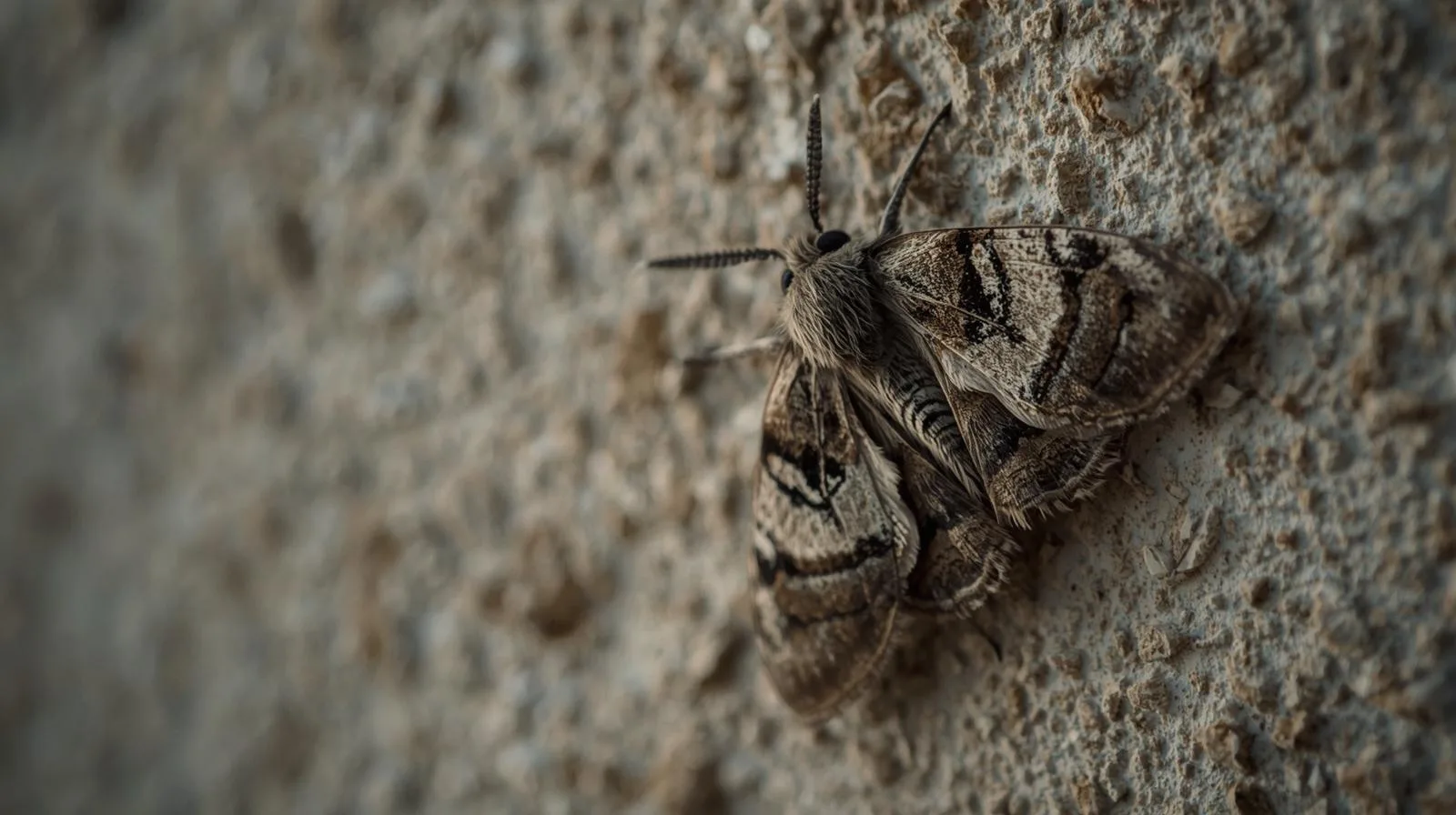
Pantry moth inspection begins with dry food
Pantry moths and other stored-product pests can be associated with packaged dry goods. Inspect flour, cereal, rice, pasta, grains, nuts, seeds, dried fruit, baking mixes, spices, pet food, bird seed, decorative dried food, and products stored for a long time. Look for webbing, clumped material, larvae, cast skins, small insects, holes in packaging, moths near cabinets, and activity around ceiling corners near the pantry. Do not assume the newest package is the source. An older item at the back of a cabinet may have been present much longer.
Clothes moth inspection begins with animal-based fibers
Clothes moth larvae can be associated with materials such as wool clothing, cashmere, fur, felt, rugs, upholstery, stored blankets, natural-fiber crafts, taxidermy or feathers, and items contaminated with hair or organic residue. Inspect dark and undisturbed areas, including closet corners, beneath furniture, rug edges, storage boxes, guest rooms, attics, basement storage, seasonal clothing, and behind seldom-moved items. The adult moth seen flying may not be sitting directly on the damaged item. The inspection should follow the stored-material history.
The room where the moth appears may not be the source
An adult moth can move away from the infested item. A pantry moth may appear in another room after emerging from kitchen goods. A clothes moth may be noticed outside the closet. Record the first room seen, time, number, where it landed, nearby storage, recent packages, recent travel, used furniture or rugs, clothing brought from storage, pet food, bird seed, holiday or craft material, and previous activity. Do not restrict our inspection to the place where one adult happened to be noticed. Related indoor pressure may also fall under indoor pest control or a broader full-service pest program.
Photograph the insect before disposing of it
A clear image can help us distinguish among a pantry moth, clothes moth, small fly, another moth entering from outdoors, a beetle, a carpet beetle, or another stored-product pest. Photograph the top of the insect, the side when possible, size beside a common object, wings, damaged material, webbing, larvae, packaging, and location. A captured specimen may be useful when it can be contained without crushing it beyond recognition. Follow our instructions about retaining the specimen.
Do not discard the entire inventory immediately
Removing obviously infested material may be appropriate. Throwing away everything before inspection can erase useful evidence and create unnecessary loss. Before disposal, photograph the product or fabric, record the room, note purchase or storage history, isolate it from unaffected belongings, ask what should be retained for identification, follow disposal instructions, and clean only after the inspection plan is understood. A pantry cleanup and a textile cleanup require different methods.
Pantry treatment includes more than spraying a cabinet
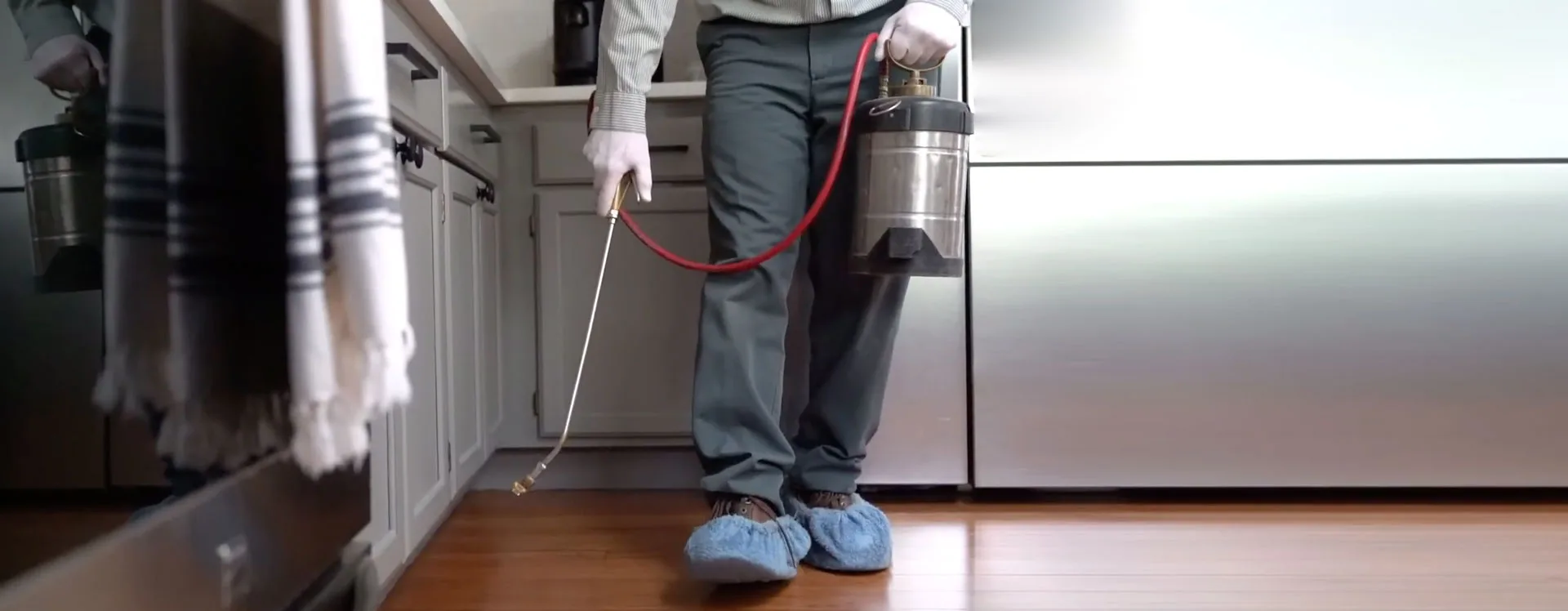
A stored-food infestation may require finding the source, discarding affected material, inspecting unopened goods, vacuuming cracks, cleaning shelves, moving food into suitable containers, monitoring, targeted professional treatment, and follow-up. Ask which products must be removed before the visit and which areas should remain untouched for inspection. Do not place insecticide directly into food containers or on food-contact surfaces outside labeled professional directions.
Clothes-moth work includes the belongings
Treating the room without addressing the affected items may leave the source in place. The plan may involve coordination among Sunrise, a dry cleaner, rug cleaner, textile conservator, upholstery cleaner, homeowner, and storage company. Ask which belongings should be professionally cleaned, laundered, heat treated by an appropriate provider, frozen under suitable instructions, discarded, isolated, monitored, or left in place for inspection. The correct response depends on the item and pest. An expensive rug and an infested disposable storage bag should not automatically receive the same handling plan.
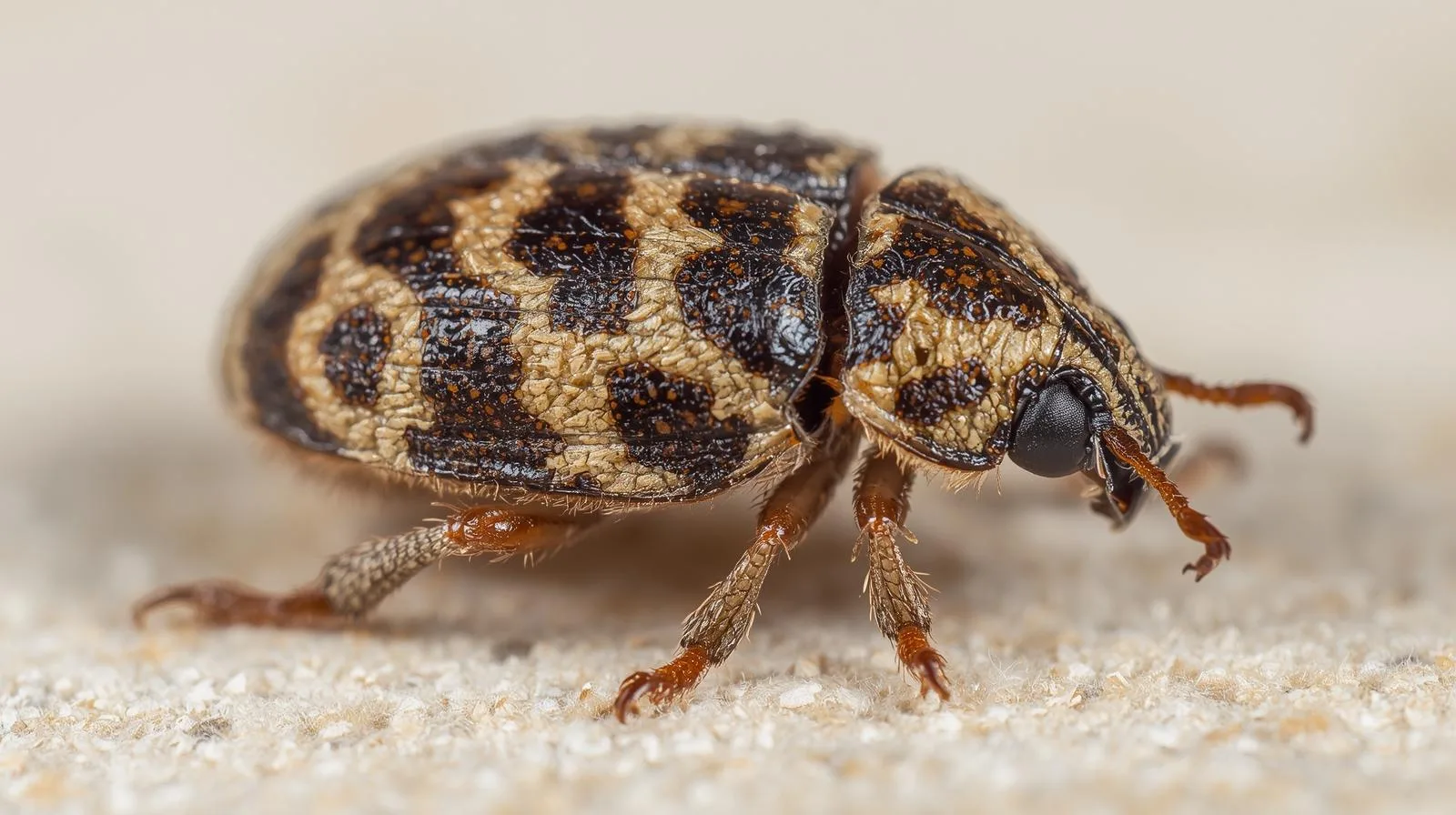
Carpet beetles deserve a separate identification
We list carpet-beetle control separately from moth control. Carpet-beetle larvae can damage or feed around fabrics and stored materials in ways a homeowner may mistake for clothes moth activity. Tell us when the evidence includes hairy larvae, shed skins, small beetles near windows, damage without visible moths, activity around lint or pet hair, stored natural fibers, or dead insects in light fixtures or window areas. Do not select the service solely from a hole in clothing. Broader service options sit on our pest control services page.
Build two inventory lists and prevent reinfestation
Keep a food inventory with product, package type, purchase date, cabinet, evidence, and action taken. Keep a fiber inventory with item, material, storage location, last used, damage, and cleaning or treatment. This gives us a more useful map of the home and prevents pantry and closet evidence from being blended into one vague moth complaint. After the active issue is addressed, review old dry goods, bulk food, pet food, bird seed, natural-fiber seasonal clothing, rugs in storage, unused wool blankets, closet cleaning, vacuuming, sealed storage, used furniture, and incoming packages. Recurring pest service may also include monitoring for other household pests, but the agreement should state whether these specialty moth services are covered.
Browse more tips on the blog, see our service areas, or reach us through the contact page. We serve Bremerton, Seattle, Bellevue, Tacoma, Everett, Olympia, Bainbridge Island, and other Western Washington communities. Call (888) 376-9109.