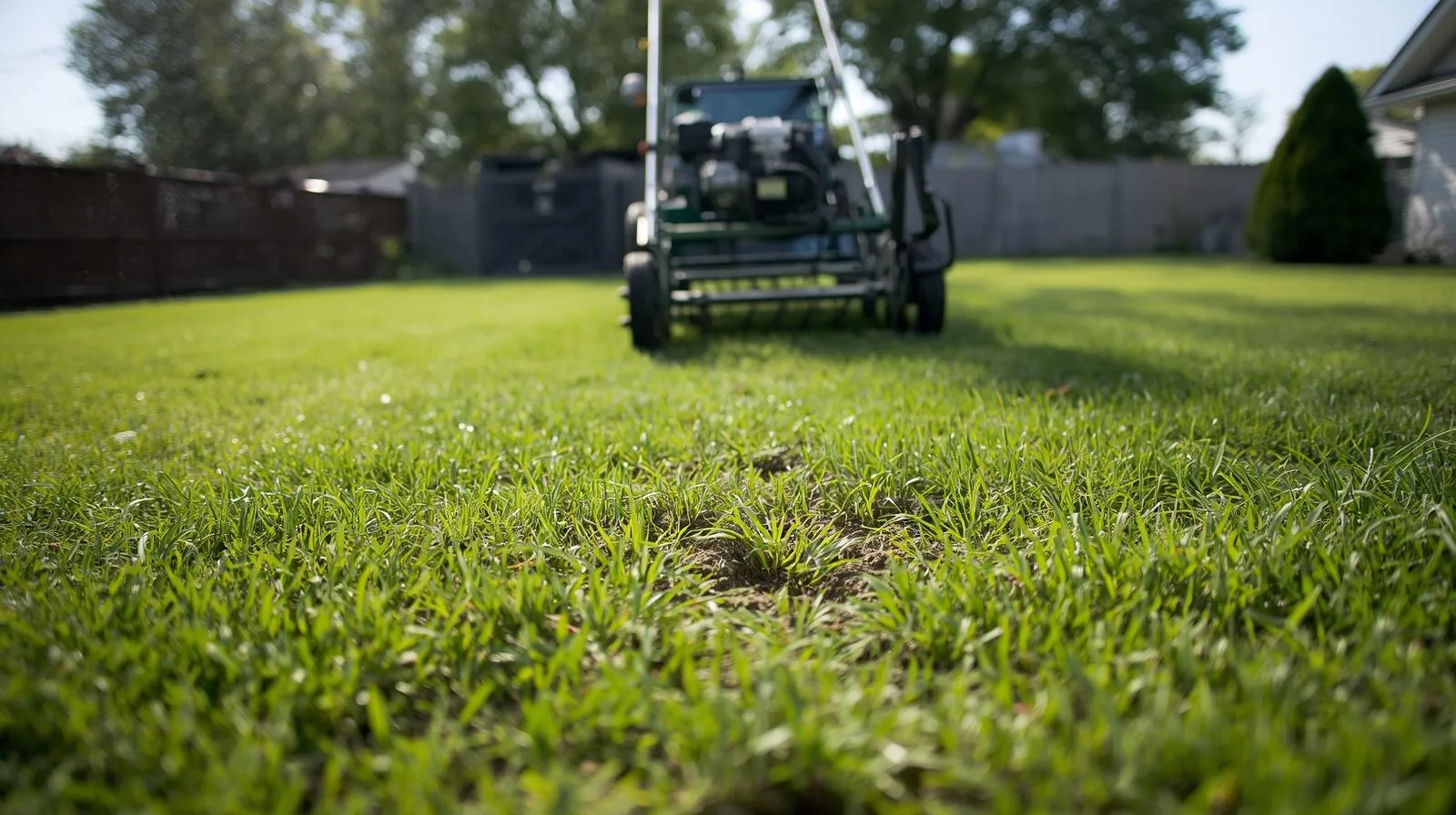
Once the days get longer and the soil in the Puget Sound stops squishing under your boots, it is time to get the yard ready for spring. A little work now pays off with a greener lawn, fewer weeds, and fewer pests trying to move in. Here is a straightforward checklist that works for folks in Seattle, Tacoma, Bremerton, and the rest of Western Washington.
Clean up first
Start by clearing leaves, sticks, and any winter debris off the lawn and beds. Wet leaves left on the grass block light and air and can encourage disease and bugs. Rake or blow them off so the grass can breathe. If you have beds, pull any early weeds so they do not get a head start. This also gives you a clear view of what the lawn and soil actually look like so you can decide what to do next.
Check the soil and drainage
Western Washington springs are wet. If water sits in puddles for more than a day after rain, you may have a drainage or compaction issue. Standing water weakens grass and can attract pests. Note where the wet spots are. Later you can fix drainage, add soil, or plan for aeration in the fall when the ground is right for it. For now, knowing where the problem areas are helps you avoid wasting seed or fertilizer on spots that will not hold up.
Feed and seed at the right time
Cool season grasses in our area grow best when the soil warms up a bit and the weather is still mild. Early spring is a good time for a first feeding if your lawn is already established and not too wet. If you have bare or thin areas, overseeding can fill them in, but wait until the soil is workable and not soggy. Many homeowners in Seattle, Tacoma, and Bremerton pair overseeding with aeration in the fall for the best results. In spring, focus on feeding and getting the existing grass strong.
Stay ahead of weeds
Weeds take off as soon as the ground warms. Weed control works best when you hit them early. Pre emergent treatments go down before weed seeds sprout; post emergent treatments take care of what is already growing. If you are not sure which you need, a lawn care pro can walk the property and recommend a plan. Staying on top of weeds in spring means less work and a cleaner lawn all season.
Pest proof the yard and house
Spring is when ants, spiders, and sometimes rodents start moving around. Trim plants back from the house so branches and shrubs do not touch the siding or roof. That removes easy bridges for pests. Check the foundation and around doors and windows for cracks and seal them. Clear mulch and debris away from the foundation so moisture and bugs do not pile up right against the house. A perimeter treatment in spring can reduce the number of pests that ever make it inside.
Mow and water with a plan
Set your mower to a height that suits your grass type; cutting too short stresses the lawn and gives weeds room. Water deeply and less often so roots grow down instead of staying at the surface. In the Puget Sound, spring rain often does a lot of the work; add irrigation only when the soil starts to dry. A simple schedule keeps the lawn healthy without overdoing it.
When to bring in a pro
If the lawn has been struggling for a year or two, or you see signs of grubs, disease, or heavy thatch, a pro can diagnose and set up a plan. Sunrise Pest and Turf Management offers grub control, fertilization, aeration, overseeding, and weed control across our service areas. Getting on the calendar in spring sets you up for a solid year. Call (888) 376-9109 or contact us to schedule a visit. A little prep now makes the rest of the season easier.