Birds on the lawn are a clue, not a grub ticket
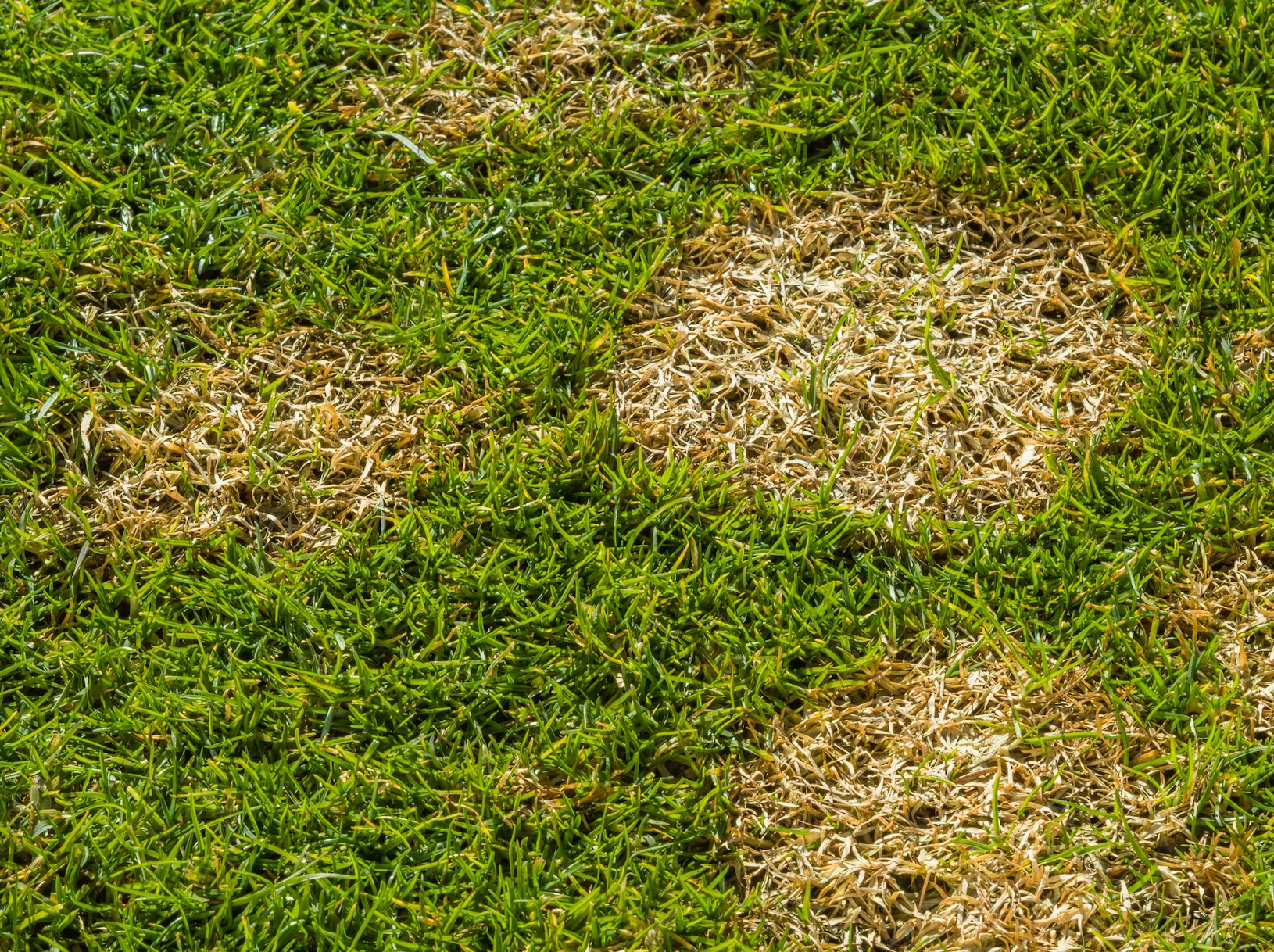
Puget Sound homeowners see starlings working a Bremerton lawn and hear "grubs" from a Midwest article. Leatherjacket crane fly larvae are the more local story in cool, wet turf. White grubs exist, but we will not hang Midwest chemistry on a porch guess. Sunrise Pest & Turf Management wants a lift test and a look in the thatch before anyone treats.
Damage that follows a wet, shady rectangle after a mild winter is a crane fly pattern more often than a classic grub carpet. Photograph the birds' work, the thin turf, and whether the sod lifts.
Lift a square at the edge
Larvae in the root zone or thatch get named. No larvae, no insect ticket. Moss, a dull mower, and a north wall that never dries can look like insect damage from the porch. Adding a grub product on moss is a wasted pass.
If you already treated and birds came back, say so. That can mean the food source was never what you treated, or that timing missed the larvae. We would rather wait for evidence than stack a second product.
Repair is separate
Thin turf still needs height, maybe seed, and honest water. Chemistry does not invent a stand under cedar drip. Seattle and Kitsap share marine air. They do not share your thatch layer.
Send city, a photo of the thin area, and whether the sod lifts. Use contact. More local notes are on the blog.
Closeout names the insect or the absence
Crane fly, grub, or neither. Next wet spring we compare that file instead of repeating a Midwest label.