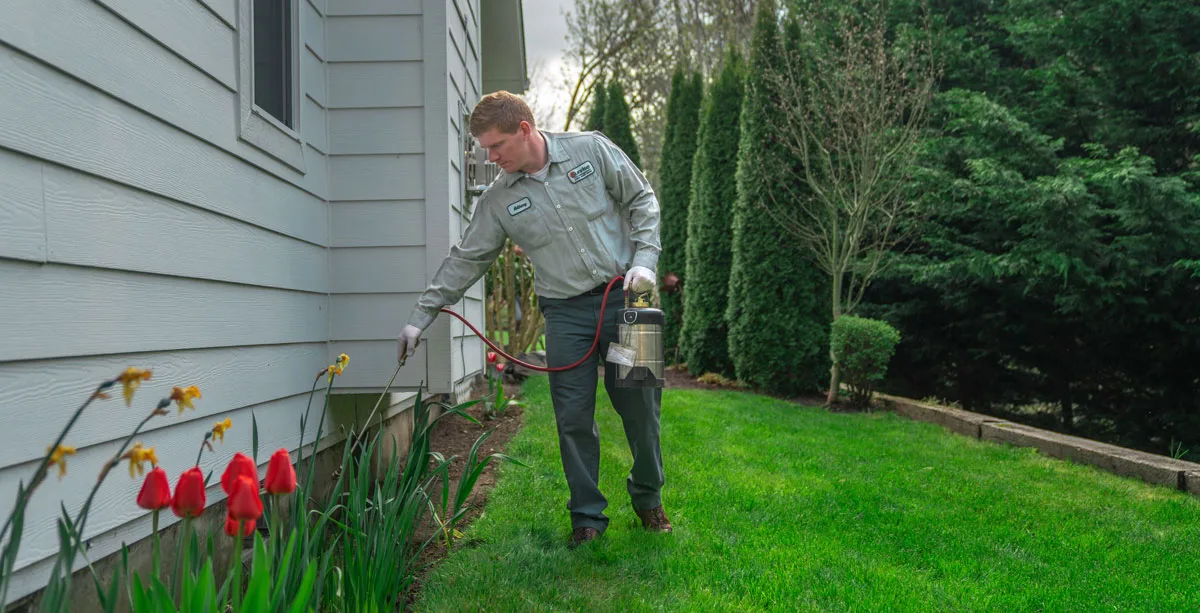
If you’re searching how long does pest control take, you probably want one simple answer and you probably want it fast. The honest answer is that pest control runs on two clocks: how long the appointment lasts, and how long it takes before your home actually feels normal again. Some pests improve quickly, but full control almost always takes longer than a single visit.
How long pest control takes depends on the pest, the size of the problem, and the treatment
A quick spray around the baseboards is one version of pest control. A crawl space rodent inspection, attic trap setup, or multi-room bed bug treatment is something else entirely. That’s why timelines can sound all over the place online. For many routine home pest issues, the service visit itself may take anywhere from 20 minutes to 90 minutes. More involved jobs can stretch to several hours, especially if the problem includes hidden nesting areas, difficult access, or a treatment plan that needs setup plus follow-up. Then there’s the second timeline, which matters more to you anyway: when the pests stop showing up. That second timeline depends on the pest biology and the treatment method. Ant bait works differently from a contact spray. Flea treatments collide with egg and pupal stages. Rodent control may reduce activity quickly, but exclusion, which means sealing entry points, often takes longer than trap placement. Here’s the thing: the visit is only one piece of the story.
The two timelines most people mix up
The first timeline is appointment length. That’s the time spent inspecting, treating, placing bait or traps, brushing webs, sealing small gaps, or checking prior activity. It tells you how long the technician is on site, not how long the problem lasts. The second timeline is results. That includes when pests begin dying, when you start seeing less activity, and when the infestation is truly under control. Those are different milestones. You may notice fewer wasps the same day after a nest treatment. You may still see ants for several days while bait gets carried back to the colony. You may see roaches for weeks after the first treatment, especially if egg cases are still hatching. A few plain-English terms help. An initial treatment is the first main visit, where the problem gets assessed and the first round of control begins. A follow-up is the next visit to check progress, retreat problem spots, refresh bait, remove dead pests, or continue a plan that was always meant to take more than one step. Monitoring means checking traps, stations, or activity patterns over time instead of assuming the first change tells the whole story.
Why two homes with “the same pest” can have very different timelines
Two houses can both have ants and still need very different amounts of time. A small kitchen ant trail near one window is not the same as multiple carpenter ant colonies feeding on damp wood behind a bathroom wall. Same pest category, completely different job. The size of the infestation matters, but it’s not the only thing. Access matters too. If active areas are tucked behind finished walls, under a tub, inside a packed garage, or in a tight crawl space, inspection and treatment take longer. Clutter can slow the process because pests love protected spaces, and treatment works better when those areas can actually be reached. Moisture is another big one. Damp wood, plumbing leaks, wet mulch, and standing water make a property more inviting to certain pests and can keep pressure on the home after treatment. Local conditions in Kitsap County can stretch timelines in very ordinary ways. Mild, wet weather supports ants, spiders, moisture-loving insects, and the prey that spiders feed on. Wooded lots in Bremerton, Silverdale, Poulsbo, and nearby communities can increase rodent and stinging insect pressure. Older homes with crawl spaces can add inspection time fast, especially when access is tight or insulation hides the real problem. That’s why one home may need a quick targeted treatment while another needs a slower, layered approach.
What happens during a typical pest control visit
A pest control visit feels less mysterious once you know the flow. Most appointments are not just “spray and go.” Even for common pests, time gets divided between inspection, treatment, and explaining what to expect afterward. Before service starts, you may be asked what you’ve seen, where you’ve seen it, and how long it’s been happening. Those details matter more than most people think. Ants in the kitchen every morning point to something different than occasional spiders in the garage or scratching above the ceiling at night. During treatment, the work depends on the pest. Some jobs focus on entry points and exterior barriers. Some rely on baits tucked into the right places and left alone. Some require traps, dusts, crack-and-crevice treatment, or nest removal. Afterward, the instructions matter. Sometimes you should avoid cleaning for a certain period. Sometimes vacuuming helps. Sometimes the best thing you can do is nothing at all and let the bait work.
Inspection usually comes first
Inspection is often the most valuable part of the first visit because it answers the question behind the question: not just “what is this pest?” but “why is this pest here?” That may involve checking windows, doors, plumbing penetrations, cabinets, garages, attics, crawl spaces, siding lines, and exterior foundation areas. Inspection time changes with property size and complexity. A small condo with one active ant trail may be checked fairly quickly. A larger home with an attic, detached shed, crawl space, and overgrown perimeter naturally takes longer. Commercial sites can take longer still because storage areas, break rooms, utility rooms, shared walls, and access rules all add time.
Treatment time depends on the method
Different treatment methods take different amounts of time on site and produce results on different timelines afterward. Sprays can be applied fairly quickly in many situations, especially around perimeters, entry points, or visible activity zones. But speed on site does not always mean instant elimination. Baits usually take less time to place than a broad treatment, but they work more slowly because the goal is transfer. For ants and roaches, that delay is not a flaw. It is the point. Dusts placed into wall voids, under cabinets, or in cracks can also be quick to apply, but reaching the right spots matters more than moving fast. Traps and rodent stations often involve more setup time because placement matters. Exclusion work takes even longer. Sealing gaps at vents, pipe penetrations, garage corners, rooflines, or crawl space entries is hands-on work, more like a repair visit than a simple treatment. Nest removal can be quick if a wasp nest is exposed and easy to reach. It can become a longer job if the nest is in a wall void or high under the eaves.
What can add time to the appointment
Small practical issues can stretch an appointment more than the pest itself. If pets need to be secured, if a locked room contains the main activity, or if furniture blocks access to baseboards and corners, the visit slows down. Heavy clutter does the same thing, especially for roaches, fleas, and bed bugs. Hard-to-reach crawl spaces are a common time extender in Washington homes. So are active stinging insect nests in awkward places, wet weather that delays certain exterior applications, and properties with multiple structures. Multi-unit buildings and commercial spaces often need extra documentation, coordinated access, or off-hours scheduling, which can make the full process longer even if the treatment itself is straightforward.
Average pest control visit times by service type
Most people want a rough range before booking. That’s fair. A standard one-time pest treatment for a typical home often lands around 30 to 90 minutes. A recurring maintenance visit is often shorter, sometimes 20 to 45 minutes, because the main inspection and setup already happened earlier. An inspection-only visit may take 30 minutes to over an hour depending on the pest and how much of the property needs checking. Rodent setup often takes 45 minutes to two hours if attic, crawl space, garage, and exterior conditions all need attention. A termite inspection commonly falls in the 45 minute to 90 minute range for many homes, though larger or older homes can take longer. Bed bug treatment is usually measured in hours, not minutes. Wasp or hornet nest removal may be as quick as 20 to 45 minutes for a simple exposed nest, or longer when ladders, safety setup, or wall void access are involved. Those ranges help, but service type only gives a starting point. The actual timeline depends on how much has to be checked, treated, or set up.
One-time pest treatment
A one-time treatment is usually what people picture first: a visit for ants, spiders, general crawling insects, or a fresh pest problem that has not yet turned into a long project. For an average-size home, that appointment often takes around 30 to 90 minutes. What’s included depends on the issue, but commonly it involves a brief inspection, treatment of active areas, exterior perimeter work, and guidance on what you should expect over the next few days or weeks. If the problem is mild and easy to access, the visit may be on the shorter side. If the service includes garage treatment, crawl space checking, or extra time tracing the source, it climbs.
Recurring pest control service
Recurring service visits are often shorter because the detective work has already been done. Earlier visits identified entry points, pressure zones, nesting patterns, and the property conditions that needed attention. Maintenance visits are more about checking, refreshing, and catching new activity before it builds. For many homes, recurring appointments take 20 to 45 minutes. Larger homes, heavier pest pressure, or lots with sheds, detached garages, and dense landscaping may need more time. The catch is that “shorter visit” does not mean “less useful.” Maintenance works because it stays ahead of the problem.
More specialized jobs
Specialized pest problems rarely fit into a quick in-and-out appointment. Bed bugs often require careful room-by-room treatment and follow-up. Rodent jobs tied to exclusion can involve ladders, vent screening, crawl space sealing, and sanitation recommendations. Termite work may include a detailed inspection plus a treatment method that unfolds over time. Severe infestations also change the math. A heavy roach issue in a cluttered kitchen, a flea infestation spread through carpeted rooms, or multiple yellowjacket nests around a large property all push the timeline out. In those cases, it helps to think of pest control less like a single appointment and more like a short project.
How long it takes for ant pest control to work
Ants are one of the most common reasons people call for pest control, and also one of the easiest pests to misread afterward. If bait is used, ant activity can look worse before it looks better. That feels backward, but it is normal. Ant control often starts showing progress within a few days, though complete control may take one to three weeks or longer depending on the colony size, species, nesting location, and outdoor pressure. Small indoor nuisance ant problems can resolve fairly quickly. Carpenter ants, repeated seasonal invasions, or colonies tied to damp wood often take longer.
What you may notice in the first 24 to 72 hours
In the first day or three, you may still see steady ant traffic. In some cases, you may see more ants clustered near bait placements. That can be alarming if you expected instant knockdown, but it usually means the bait is doing its job. Foraging ants find the bait, feed on it, and carry it back to the colony. That transfer step takes time. Lingering trails during this period do not automatically mean the treatment failed. In fact, wiping out the visible foragers too quickly can sometimes disrupt the baiting process and make the larger colony harder to reach.
When ant populations usually start dropping
For a small indoor ant issue, especially one centered around a kitchen or bathroom and caught early, you may notice a clear drop within several days to a week. For larger infestations, multiple entry points, or outdoor colonies pressing against the house, the timeline is often closer to one to three weeks. Carpenter ants can be slower because the source may be in damp wood, wall voids, crawl spaces, or even a stump or landscape timber outside. Western Washington’s wet conditions can keep those nesting conditions active. If mulch, firewood, dense vegetation, or moisture problems surround the house, fresh ant pressure can continue even after one colony gets hit.
Why ant problems often need follow-up
Some ant problems involve more than one colony. Satellite colonies, which are secondary nesting groups connected to the larger population, can keep activity going after the first wave drops. Hidden nests inside walls or under flooring can do the same. Long-lasting ant control also depends on reducing what attracted them in the first place. That may mean fixing a leak under the sink, trimming back vegetation touching the house, sealing tiny gaps around windows and doors, or correcting moisture in a crawl space. Bait can solve the immediate surge, but if the property still offers food, water, and easy access, the problem can come back.
How long cockroach pest control takes
Cockroach control usually takes longer than people want and longer than a single visit. That’s not because the treatment is weak. It’s because roaches are built for survival. They hide in deep cracks, reproduce quickly, and exploit every missed crumb, grease film, leak, and warm appliance gap. You may see some immediate change after the first treatment, especially if active harborages are hit directly. But full roach control often takes several weeks and more than one visit, particularly for established infestations.
Fast results you may see after the first treatment
After the first treatment, roach activity may shift quickly. You may see more roaches out in the open at first, including sluggish or dying ones. That can feel like the situation got worse overnight. Usually, it means hidden populations were disturbed or exposed. Baits can begin affecting the colony quickly, but you should not expect silence in the first day or two. Roaches move between nesting sites, food sources, and water sources on established routes. Even if a treatment starts working right away, you may still see survivors using those routes for a while.
Why full roach control often takes several weeks
Egg cases are a big reason. Even when active adults and juveniles are reduced, eggs may still hatch after the first treatment. That extends the visible timeline. Bait transfer helps, but it also takes time because roaches have to encounter, consume, and spread the active ingredient within the population. Sanitation matters more with roaches than with many other pests. Accessible food, grease buildup, moisture, and cardboard clutter give roaches safe harbor and competing food sources. In apartments or shared-wall buildings, control can slow down further because the infestation may not be limited to one unit. Roaches can move through plumbing penetrations, shared wall voids, and neighboring kitchens.
What slows roach treatment down
The biggest slowdown factors are everyday conditions that roaches love: grease around the stove, crumbs under appliances, pet food left out overnight, leaks under sinks, stacked paper bags, cardboard storage, and cluttered cabinets. Inaccessible hiding places behind dishwashers, refrigerators, and wall voids can also keep pockets of activity alive. That’s why roach service often includes instructions that sound simple but matter a lot. Clean the grease. Dry the leak. Thin the clutter. Leave the bait alone. Skip any one of those, and the timeline usually gets longer.
How long spider treatment takes
Spider treatment is often faster than people expect on the appointment side, but slower than people hope on the long-term side. Killing visible spiders is only part of the job. Reducing the conditions that support spiders is what changes the bigger picture. Most spider services focus on two things: removing webs and reducing the insects that spiders feed on. If the food supply remains strong around your home, spiders tend to come back.
The service visit for spiders
A spider-focused visit often includes web brushing and treatment around exterior entry points, eaves, window frames, door frames, garage corners, sheds, basements, and crawl space access points. In many homes, that takes about 30 to 60 minutes, though larger homes and outbuildings add time. The visible cleanup makes a difference right away. Webs come down, egg sacs can be removed, and common harborage zones get treated. If your home has a lot of high exterior trim, dense shrubbery near the siding, or cluttered storage areas in the garage or basement, the appointment may take longer.
When you should expect fewer spiders
You may notice a drop in web-building and visible spider activity within days, especially indoors. But complete relief usually depends on reducing the insect prey around the home and limiting sheltered outdoor hiding areas. Porch lights that attract insects, heavy foundation plantings, stacked wood, damp crawl spaces, and insect-heavy yards all help spider populations stick around. So if the treatment removes today’s spiders but the buffet stays open, the pressure can rebuild. Spider control works best as an environment change, not just a one-time cleanup.
How long wasp, hornet, and yellowjacket control takes
Stinging insect jobs tend to feel urgent for obvious reasons. If a nest is near a doorway, deck, play area, or garage, you want it handled fast. The good news is that nest treatments often move quickly. The catch is that visible activity can linger briefly after treatment, and repeated issues around a property may point to bigger nesting pressure nearby.
How long a nest treatment appointment usually lasts
A straightforward wasp, hornet, or yellowjacket nest treatment may take 20 to 45 minutes. That can include locating the nest, applying treatment, checking nearby activity, and explaining what you may still see over the next day or two. Timing changes based on height, access, species, and the number of nests. A visible paper wasp nest under an eave is very different from yellowjackets entering a hole in the ground or a soffit void. If ladder setup, safety gear, or multiple treatment points are required, the appointment gets longer.
When the nest stops being active
Many treated nests show a sharp drop in activity within hours. By the next day, the nest often looks far quieter. But some returning insects may still circle the area for a short time because they are coming back to a nest site that is no longer functioning. That lingering movement does not always mean failure. It often means the last foragers have not gotten the memo yet. Ground-nesting yellowjackets and hidden wall nests can take a little longer to settle because activity is less visible and the colony may be protected deeper inside.
When nest removal or extra work is needed
Some nests need more than a basic treatment. Nests in wall voids, soffits, trees, crawl space vents, or children’s play structures can require extra care. If the nest is inside a structural void, the insects may be controlled but the nest material itself can still cause odor or attract secondary issues if left in place. Properties with repeated wasp activity may also need more than one step. If eaves, sheds, fencing, and outbuildings provide lots of sheltered corners, new nests can pop up through the season. In that case, the real job is not just killing one nest. It’s lowering the property’s overall appeal.
How long flea treatment takes
Flea control is one of the clearest examples of why pest control and pest biology rarely line up neatly. You may treat the home today and still see fleas afterward. That sounds maddening, but it is often expected. A flea treatment appointment may take one to several hours depending on the size of the home, the number of rooms, whether upholstery is involved, and whether outdoor areas need attention too. Real relief often starts within days, but full control usually takes several weeks because different flea life stages emerge on different schedules.
The treatment appointment itself
Flea treatments usually focus on the places fleas actually develop, not just the spots where bites happen. That often means carpet edges, pet resting zones, rugs, cracks along baseboards, upholstered furniture, and sometimes yard areas where pets spend time. If the infestation is spread through multiple carpeted rooms, treatment takes longer. Prep also matters. Pet bedding may need washing. Floors may need clearing. In some cases, you may need to be out of the house for a reentry period after service, depending on the products used.
Why fleas can keep showing up after treatment
Fresh flea activity after treatment is one of the most misunderstood pest control experiences. Adult fleas may die quickly, but eggs and pupae complicate the timeline. Pupae are especially stubborn because they sit protected in cocoons until vibration, warmth, or movement triggers emergence. So when you walk through the room a few days later and notice fleas again, it may be newly emerged fleas, not the treatment “wearing off.” That is exactly why follow-through matters. The life cycle has to be worked through, not just the visible adults.
How long until a home feels normal again
Many homes start feeling better within a few days to two weeks, but full control often takes several weeks. The range depends heavily on vacuuming, laundry, and pet treatment. If pets are not treated appropriately, the timeline usually stretches. Same problem if vacuuming is skipped, because vacuuming helps stimulate emergence and removes fleas and debris from the environment. This is one of the few pest problems where your home routine can noticeably speed things up. Regular vacuuming, washing bedding, and following pet care guidance can make the difference between a short cleanup period and a drawn-out one.
How long rodent control takes for mice and rats
Rodent control has a split personality. The first part, getting traps and bait stations in place, can happen quickly. The second part, actually stopping rodent activity for good, usually takes longer because entry points and nesting conditions have to be addressed. You can think of it like mopping up water while a pipe still leaks. Trapping removes the rodents you have. Exclusion stops the next wave.
The first visit: inspection, traps, and bait stations
A first rodent visit often takes 45 minutes to two hours. That time goes into checking the attic, crawl space, garage, utility penetrations, foundation line, vents, and exterior hiding areas. Larger properties naturally take longer, especially if outbuildings or wooded edges are involved. Trap placement and bait station setup matter a lot. Rodents follow edges and repeat routes, so random placement is not very useful. Signs like droppings, rub marks, gnawing, shredded nesting material, and noise patterns help narrow down where activity is strongest.
When trapping starts working
You may see results within the first few days, but activity can continue while rodents keep following familiar routes. A quiet night right after trap placement is great, but it does not automatically mean the job is done. In established infestations, multiple rodents may still be active in different zones. You may also hear intermittent activity even after the population starts dropping. That is especially common in attics, wall voids, and garages where movement is harder to verify directly. For many homes, a couple of weeks gives a more realistic picture than a single day of silence.
Why exclusion can be the longest part
Exclusion means sealing entry points so mice and rats cannot get back in. This is often the longest and most overlooked part of rodent control. Gaps around vents, crawl space openings, utility lines, roof returns, garage door corners, and damaged screens all matter. A damp crawl space in Bremerton or a garage that backs up to woods gives rodents plenty of cover. Add a warm attic or accessible pet food, and you have a repeat invitation. Sealing those vulnerabilities can take longer than setting traps because it may involve detailed inspection, materials, ladders, and more than one vulnerable area. But without exclusion, rodent control often turns into repeat control.
How long bed bug treatment takes
Bed bugs are in a category of their own because prep and follow-up are such a large part of success. If you want a pest issue that punishes shortcuts, this is it. The appointment itself can take hours, but the full control timeline is usually measured in weeks. Not because bed bugs are unbeatable, but because eggs, hiding places, room-by-room spread, and monitoring all matter.
Inspection and prep take real time
A proper bed bug inspection is not quick guesswork. It often involves checking beds, bed frames, headboards, nearby furniture, seams, baseboards, luggage zones, and adjacent rooms. Preparation can include laundering, bagging textiles, reducing clutter, and moving furniture so treatment can reach the right places. That prep time counts, even if it happens before treatment day. If rooms are not prepared well, treatment can take longer and be less effective. Bed bugs love tight hiding spots. Giving access back to those spots is part of the job.
Treatment day may take hours, not minutes
Treatment timelines vary by method. Targeted chemical treatment across one or more rooms can take several hours. Heat treatment also takes hours because the space has to reach and hold temperatures that affect bed bugs in their hiding areas, not just in the open. Larger homes, more rooms, heavier infestations, and clutter all increase treatment time. This is not like spraying for ants along a windowsill. It is much closer to a carefully managed interior project.
Full bed bug control usually takes more than one step
Even after treatment, follow-up and monitoring are often needed. Eggs may survive depending on timing and method. Interceptor devices, visual inspections, and scheduled checks help confirm that the problem is truly fading. Checking too early can create confusion. A single sighting soon after treatment does not always mean failure, especially if surviving bugs were disturbed and forced into the open. But ignoring follow-up is just as risky. Bed bug control works best when the whole timeline is respected.
How long termite inspections and termite treatment take
Termites sit a little outside the everyday pest conversation, but not by much. If you are comparing pest control timelines, termite questions usually show up fast because the stakes feel higher and the signs are often subtle. A termite inspection may take under an hour in a simple home or longer in older, larger, or moisture-prone structures. Treatment timelines depend heavily on the method used.
How long a termite inspection usually takes
A typical termite inspection often takes 45 minutes to 90 minutes. The inspection may include crawl spaces, foundations, sill plates, wood-to-soil contact points, support posts, exterior siding areas, and any moisture-prone or damaged wood. Homes with tight crawl spaces, stored items blocking access, additions, decks, or older structural quirks can take longer. In Western Washington, moisture-prone areas deserve extra attention because damp conditions can help create the kind of wood problems that attract concern in the first place.
Treatment timelines for common termite methods
Two common termite approaches are liquid treatments and bait systems. Liquid treatments can take several hours depending on the size and layout of the structure because the treatment zone around the foundation or affected wood has to be created correctly. The appointment is active and fairly hands-on. Bait systems often involve a shorter initial installation visit, but colony control happens over a longer timeline because termites have to find, feed on, and transfer the bait. In other words, liquid treatment often asks for more time on appointment day, while bait systems ask for more patience afterward.
Do you have to leave your house, and for how long
This is one of the biggest practical questions for a reason. Sometimes you can stay home. Sometimes you need to leave for a while. The answer depends on the treatment type, the product label, the pest, and which areas are being treated. The phrase to know is reentry time. That just means how long you need to stay out of treated areas before it is considered okay to return.
Treatments where you can often stay home
For many routine pest control services, especially exterior treatments and targeted interior applications, you can often remain home during or after service with a few common-sense precautions. You may simply need to avoid treated areas until products are dry. That can include many standard services for ants, spiders, and perimeter pests. If treatment is focused outdoors or in limited indoor areas, disruption may be pretty minor. Still, you should follow the exact instructions given for your service rather than assuming every treatment works the same way.
Treatments that may require time away
Some treatments are more disruptive. Certain flea services, fogging situations, and some bed bug treatments may require you to be out of the home for a period of time. Heat treatment for bed bugs can also come with special instructions about occupants, pets, and sensitive belongings. Reentry time is not a random estimate. It comes from the product label and treatment plan. That’s why two pest control visits can have totally different stay-away windows even if both happen in the same house.
Pets, kids, and sensitive spaces
Pets and children change the prep details, but not in a scary way. Pet bowls, toys, food prep surfaces, and exposed food usually need attention before service. Aquariums deserve special care because fish are sensitive to airborne products and contamination risks. If you have crawling children, floor-level toys, or pets that lick surfaces, instructions matter even more. Usually, the steps are simple: clear the area, store exposed items, follow reentry timing, and keep everyone out of treated spots until the all-clear.
What makes pest control take longer or shorter in washington homes and businesses
Washington properties come with their own timing quirks. Moisture, mild temperatures, tree cover, and crawl space construction all affect how pests behave and how long pest control can take. That does not mean every home is harder. It means the same pest can act differently here than in a hot, dry climate where many generic online timelines are written.
Moisture, crawl spaces, and wooded lots
Moisture changes everything. Damp crawl spaces can support ants, moisture pests, spiders, and wood issues that invite closer inspection. Wooded lots increase rodent pressure, outdoor insect activity, and the number of sheltered nesting spots around the property. Crawl spaces and outbuildings also add plain old appointment time. A home with a shed, detached garage, and low-clearance crawl space simply takes longer to inspect than a small home on a slab. That’s not inefficiency. That’s the property telling the truth about the workload.
Seasonal pressure changes
Pest timelines also shift with the seasons. Spring often brings ant surges as colonies become more active. Summer ramps up wasps and yellowjackets. Fall pushes mice and rats indoors looking for warmth and food. Long rainy stretches can change where pests shelter and how aggressively they press against buildings. So if you call in October for rodent noises in the wall, timing may look different than the same call in June. Pest control is not just about the species. It is also about what the season is telling that species to do.
Residential vs. commercial timelines
Commercial sites often take longer, even when the pest is familiar. Restaurants, offices, warehouses, storage spaces, and turf-adjacent facilities can involve access restrictions, sanitation protocols, staff coordination, and documentation requirements. A home kitchen ant issue may be solved with one plan. A commercial break room or food-handling space may need more careful scheduling and repeat checks. Same basic pest pressure, different stakes and logistics.
How to help pest control work faster
You cannot outwork every infestation, but you can absolutely help treatment move faster. Usually, the best support is not dramatic. It is the same kind of prep that helps any repair go more smoothly: clear access, follow instructions, and fix the conditions feeding the problem.
Before the appointment
A little prep saves real time. Clear under sinks if that is where activity has been spotted. Move stored items away from baseboards in problem rooms. Make sure attic, crawl space, garage, or utility room access is available if those spaces matter to the service. It also helps to note where and when you saw the pest. “Ants by the kitchen window every morning” is far more useful than “some bugs somewhere.” Secure pets before the visit so treatment and inspection do not pause every five minutes.
After treatment
Resist the urge to over-clean right away unless you are told to do so. Wiping up bait, vacuuming treated cracks too soon, or moving stations can interrupt the plan. On the other hand, some services, especially flea jobs, depend on follow-up vacuuming. The trick is to follow the specific instructions for your treatment, not a guess based on a different pest. If bait stations or traps are part of the service, leave them alone unless you are told otherwise. Extra DIY spraying on top of professional baiting can also backfire by repelling pests away from the bait instead of letting the control method work.
Home fixes that cut down repeat problems
Long-term speed comes from reducing repeat invitations. Seal gaps around doors and utility penetrations. Fix leaks under sinks and in crawl spaces. Trim vegetation that touches siding or rooflines. Store food in sealed containers and clean up pet food at night when relevant. For some pests, clutter matters more than most people realize. Cardboard stacks, paper storage, and packed corners create safe hiding areas for roaches and rodents. You do not need a magazine-perfect house. You just need fewer pest-friendly shortcuts.
Common reasons pest control seems like it is not working yet
Nothing tests your patience like paying for pest control and then seeing another pest afterward. But “still seeing pests” can mean a few very different things, and not all of them mean the treatment failed.
You are seeing the last wave, not a new infestation
Post-treatment movement is common. Dying insects often become more visible before they disappear. Flea pupae may still emerge after treatment. Roach eggs may hatch after adults have already been hit. Ant foragers may keep moving bait for a short period before the colony crashes. That activity can look like a fresh infestation when it is actually the tail end of the old one. The timing matters. A few pests right after treatment tell a different story than steady activity weeks later.
The source was never just inside the house
Many pest issues start or persist outside the immediate living space. Ant nests may be in the yard or wall voids. Rodents may be entering through the crawl space or garage. Roaches in shared-wall housing may not be confined to one kitchen. Spiders may be responding to insect-heavy exterior conditions, not just what is happening indoors. If the source lives beyond the room where you spotted the pest, treatment usually needs to go beyond that room too. That is why a kitchen-only fix may not stay fixed.
The treatment plan needs another step
Some pest control plans are designed around follow-up from the start. That is normal. Fleas, roaches, bed bugs, termites, and rodents often need more than one stage because the life cycle, structure access, or reinfestation risk demands it. Needing another visit does not automatically mean the first one failed. Sometimes it means the first one did exactly what it was supposed to do: reduce the active population, reveal what remains, and set up the next step.
How often pest control needs follow-up after the first visit
A lot of frustration disappears once you stop expecting every pest problem to be one-and-done. Some are. Many are not. Follow-up exists for a reason. It helps confirm results, refresh materials, adjust the plan, and catch lingering activity before it grows again.
Pests that often respond to one focused service
Some wasp nests can be handled with one treatment. Minor spider issues may improve quickly with web removal and perimeter treatment. Small, localized ant problems can sometimes be resolved with one focused visit, especially if the source is easy to identify and the conditions attracting ants are corrected. But even these “simpler” pests can come back if the property still encourages them. One service can solve the current problem without guaranteeing the next season stays quiet.
Pests that usually need repeat visits
Roaches, fleas, bed bugs, rodents, termites, and larger ant infestations often need repeat visits or active monitoring. The reasons vary. Roach eggs hatch later. Flea pupae emerge later. Bed bugs hide deeply and require confirmation. Rodents re-enter unless gaps are sealed. Termite systems may rely on ongoing monitoring. This is why fast relief and complete control are not always the same promise.
What a maintenance plan actually does
A maintenance plan is not just “more spraying.” In plain English, it means checking, refreshing, monitoring, and getting ahead of new pressure before it turns into a bigger problem. That can include exterior treatment, trap checks, bait refreshes, nest spotting, and early correction of new access points. If your property sits near woods, holds moisture, has a crawl space, or sees seasonal recurring pests, maintenance can shorten future timelines because problems get caught while they are still small.
Frequently asked questions about how long pest control takes
How long does a pest control appointment usually take?
A pest control appointment usually takes about 20 minutes to 90 minutes for common household pests, depending on the size of your home and the type of service. Recurring maintenance visits are often shorter. Specialized jobs like rodent setup, termite inspection, or bed bug treatment can take several hours.
How long after pest control will you still see bugs?
You may still see bugs for a few days or even a few weeks, depending on the pest. Ants and roaches may remain visible while bait works. Fleas may keep emerging from pupae after treatment. Spiders may drop quickly in number, but outdoor pressure can keep a few showing up. Timing matters more than one isolated sighting.
How long do you need to stay out after pest control?
Sometimes not at all, sometimes for a few hours. It depends on the treatment type and product label instructions. Many routine treatments let you stay home or return once treated areas are dry. Some flea, fogging, and bed bug services may require a longer reentry time.
How long does pest control last?
Pest control “lasting” can mean two different things: how quickly it knocks down the current pests and how long it keeps new pests from moving in. Some treatments act within hours or days. Ongoing protection can last weeks or months, depending on weather, pest pressure, treatment type, and whether entry points and attractants are addressed.
Is monthly pest control necessary?
Not always. Some properties only need a one-time service or seasonal treatment. Others benefit from monthly or regular recurring visits, especially if pest pressure stays high, the property has recurring moisture or rodent issues, or the building type makes reinfestation more likely.
The best next step if you want a realistic timeline for your place
Online timelines are useful for setting expectations, but your actual answer lives in the details: what pest you have, where it is active, how long it has been there, and what around your home is quietly helping it stick around. A few ants near the sink and a full crawl space rodent problem should not be forced into the same timeline just because both count as pest control. If you want the most realistic estimate, write down the pest, the room, the time of day you notice it, and how long it has been happening. Then check one simple thing today: look under sinks, around exterior doors, or in the garage for moisture, gaps, food, or clutter that may be feeding the problem. That one clue often explains why the clock is running longer than you want.
* Disclaimer: This article is for general informational purposes only. It is not professional advice, a quote, or a service agreement. Conditions at your home or property may differ; contact a qualified professional for an on-site evaluation before making repair, safety, or spending decisions.