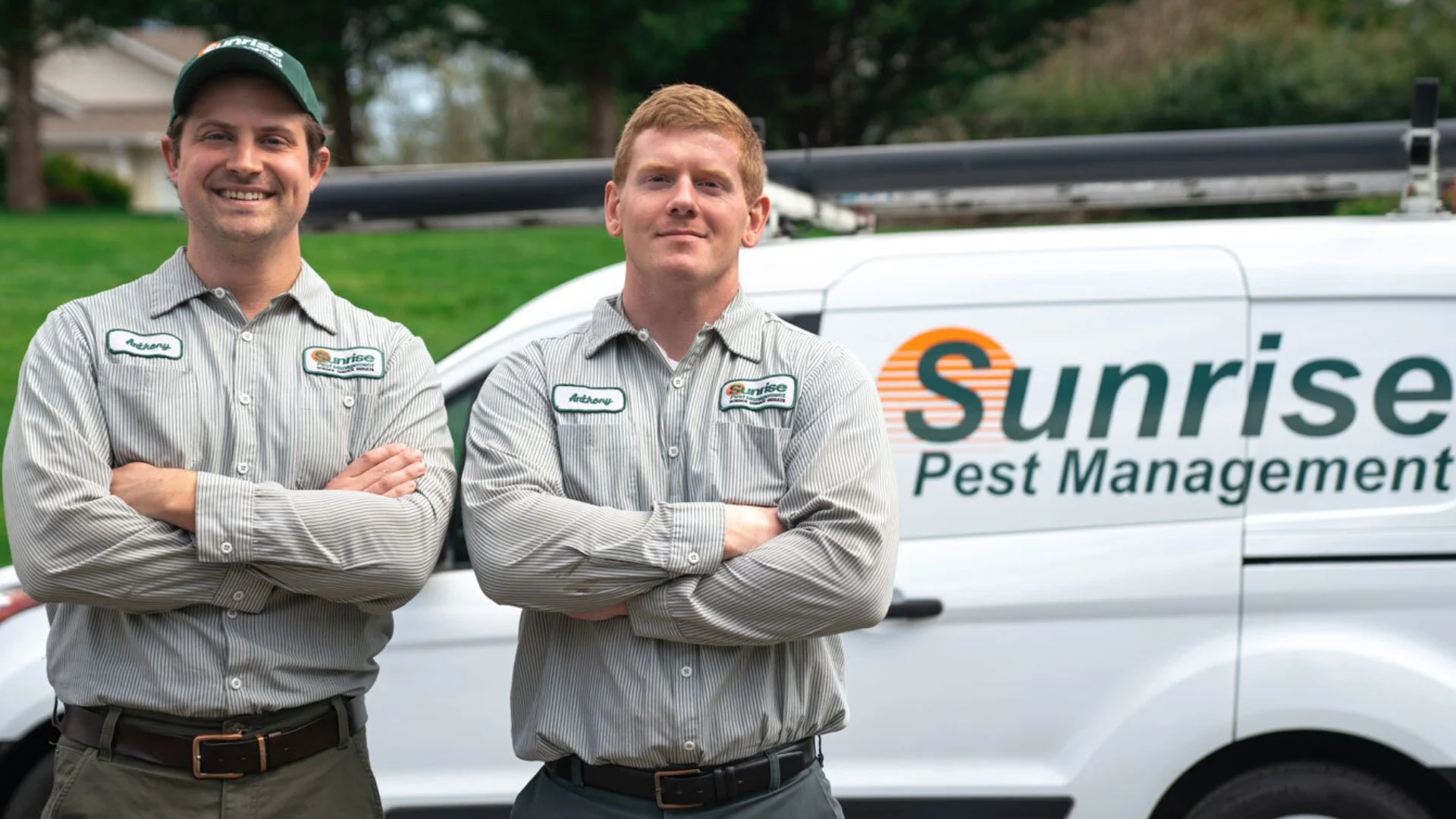
Finding the best pest control company usually starts with something annoying and very specific: ants marching across the kitchen counter, a wasp nest tucked under the eaves, mole runs turning a lawn into a soft obstacle course, or scratching in the crawl space after a wet Kitsap County week. The right choice is not the company with the loudest ad. It is the one that understands your pest, your property, and how fast you need the problem gone.
Start with the pest problem you actually need fixed
A lot of pest control decisions go sideways because the problem gets treated too broadly. “Pests” sounds like one category, but it really is not. Carpenter ants, rats, termites, yellowjackets, and turf-damaging insects all behave differently, hide in different places, and need different treatment plans. That matters because the best pest control company for your situation should be matched to the problem in front of you. If your issue is ants in the pantry, you need a company that can trace activity back to entry points, moisture, and food sources. If moles are tearing up turf near the sidewalk in Silverdale or Port Orchard, the job is less about indoor spray and more about lawn conditions, burrowing patterns, and long-term turf recovery. Speed matters too. Some problems are more urgent than others. A visible wasp nest by the porch usually needs quick removal. Rodents in a crawl space, especially in damp weather, need fast action because the longer the delay, the bigger the cleanup and exclusion bill tends to get. Termites are even less forgiving. Waiting rarely saves money.
Residential, commercial, and turf problems need different help
A house, a restaurant, and a managed lawn do not need the same kind of service. For a home, the focus is usually on comfort, safety, entry points, and keeping pests from coming back. Perimeter protection, attic or crawl space checks, and advice on moisture control often matter as much as the treatment itself. For a business, especially food service, retail, storage, or property management, documentation and consistency matter just as much as pest removal. You need service records, reliable scheduling, and someone who understands how to work without disrupting operations. Turf is its own category. Lawn care and turf management involve a different skill set, because the problem may be insects, fungal pressure, soil conditions, irrigation issues, or a mix of all of it. If your concern is outside, be specific about that early. The company should be able to separate a pest issue from a lawn health issue instead of treating every patchy area like the same problem.
Know what a good pest control company should offer
A good company should be able to explain what it plans to do in plain English. If the explanation sounds vague, rushed, or packed with jargon, that is a warning sign. You should be able to understand what the pest is, why it is there, what treatment is being used, and what kind of follow-up makes sense. The catch is that many companies sound similar at first glance. Most promise fast service, experienced technicians, and effective treatment. What separates a strong option from a weak one is the quality of the inspection, the ability to handle your exact pest, and the clarity of the service terms.
Licensing, insurance, and washington state compliance
Licensing and insurance are not fancy extras. They are the floor. In Washington, pesticide application and pest treatment work should follow state rules, and you should feel completely comfortable asking about credentials. A legitimate company should be able to answer clearly, not dodge the question or respond with something slippery like “all the paperwork is handled.” If a technician is applying products around your home, business, lawn, or shared property, proper licensing matters. Insurance matters for a simpler reason: things happen. If treatment involves rooflines, crawl spaces, commercial kitchens, or large landscaped areas, you want proof that the company is covered if property damage or an accident occurs.
Pest-specific experience
Not all pest work is interchangeable. Termite treatment is different from rodent exclusion. Bed bug service is different from mosquito control. Turf pests and lawn disease are different from indoor general pest service. Here’s the thing: a company can be perfectly decent at routine ant and spider control and still be the wrong fit for bed bugs, moles, or termites. Ask what pests get treated most often. If your issue is unusual, or expensive if missed, regular hands-on experience matters more than broad claims on a website. Specialized pests usually require specialized habits. Rodent work may involve sealing gaps, checking vents, and monitoring return activity. Termite work may require a much more detailed structural evaluation. Turf issues may call for treatment timing tied to season and soil conditions. You want a company that does your type of job often enough that it feels normal, not experimental.
Inspection first, treatment second
A strong company inspects before quoting a real solution. That sounds obvious, but plenty of companies skip straight to selling a package. A proper inspection should look for more than the pest itself. It should cover entry points, nesting areas, conducive conditions like standing moisture or dense vegetation, and, for lawn and turf concerns, stress signs in the grass and soil. If somebody wants to spray first and figure it out later, keep looking. This is especially true in Kitsap County, where damp conditions can feed all kinds of pest pressure. Crawl spaces, woodpiles, overgrown foundation beds, and soggy turf all tell part of the story. The best service plan starts there.
Compare treatment plans, pricing, and service terms
Price matters. Of course it does. But a low number on the first visit can hide a lot. The cheapest option often gets expensive when pests return two weeks later, follow-up is extra, or the original treatment never addressed the source of the problem. Good comparison shopping means looking at the full plan, not just the first invoice.
One-time service vs ongoing pest control
Some problems are one-and-done. Others are not. A visible wasp nest, a single hornet issue, or one known rodent removal may fit a one-time service if the company also handles prevention well. But recurring ants, spiders, rodents, and perimeter invaders usually make more sense with ongoing service. The reason is simple: some pests are not random visitors. They are repeat pressure from the surrounding environment. If your property backs up to woods, holds moisture, or has multiple entry points, recurring service can be the smarter value. If the issue is narrow and isolated, a one-time treatment may be enough. The trick is matching the plan to the actual pattern, not buying year-round service for a problem that only needed one visit.
What a quote should include
A useful quote should spell out exactly what you are paying for. At minimum, you should expect written details on inspection findings, target pests, treatment areas, products or methods, follow-up visits, guarantees, and cancellation terms. This part should not feel like reading a cell phone contract. If fees are vague, ask for specifics. Is attic work extra? Is exclusion included or billed separately? Are follow-up visits part of the price or charged per trip? Hidden fees tend to show up in the gray areas, especially around cleanup, sealing work, and retreatments.
Guarantees, retreatments, and fine print
“Guaranteed” is one of the most overused words in this industry. Sometimes it means free retreatment within a set period. Sometimes it only applies to certain pests. Sometimes it excludes reinfestation caused by conditions on the property. That is not automatically bad, but it does need to be clear before you sign anything. Look closely at what is covered, how long the coverage lasts, and what you need to do to keep it valid. If a company recommends trimming vegetation, sealing gaps, or fixing standing water, those steps may affect the guarantee. A real guarantee is useful. A vague one is just marketing.
Check reviews, communication, and local reputation
Reviews are helpful, but not in the lazy “4.9 stars, good enough” way. Patterns matter more than the score itself. You are looking for signs that the company shows up on time, explains the work clearly, solves the problem without drama, and handles mistakes like adults. Because yes, sometimes problems take more than one visit. That part matters too.
What to look for in reviews
The most useful reviews include detail. Look for comments about punctuality, technician communication, billing clarity, and whether the pest problem actually stayed gone. A review that says “great service” is nice, but a review that mentions a rodent issue being traced to a vent gap and fixed after follow-up is much more useful. Local context helps. Reviews from Bremerton, Silverdale, Poulsbo, Port Orchard, and Bainbridge Island can tell you more than generic comments from far outside the area. Climate, housing style, yard conditions, and common pest pressure vary by region. A company that performs well nearby is more likely to understand what shows up around your property.
Questions to ask before you hire
Before booking, ask direct questions and notice how the answers sound. What pests get treated most often? How soon can service start? Is exclusion work offered, meaning sealing and prevention, not just treatment? What should happen before the appointment? What happens if pests return? Good answers should be clear, specific, and calm. If every reply sounds like a sales script, that tells you something. So does a company that cannot explain prep steps or avoids discussing follow-up.
Choose the best fit for your property and use case
At this point, the goal is not finding a “top-rated” company in the abstract. It is choosing the best fit for your property, your pest pressure, and your service goals. That is a more useful standard anyway.
Best for homes with kids, pets, or frequent outdoor use
If your yard gets constant use, or pets and kids are everywhere, ask practical questions about timing, drying time, product placement, and lower-impact options. You do not need a chemistry lecture. You need clear instructions about where treatment goes, when treated areas are ready for use again, and what precautions make sense. You should also listen for integrated pest management, often shortened to IPM. In plain English, that means fixing the cause first, then using targeted treatment where it actually helps. Think sealing entry points, reducing moisture, changing habitat, and applying products carefully instead of blanketing everything just because it feels aggressive.
Best for businesses, HOAs, and multi-property needs
Commercial sites and managed communities usually need more than a basic treatment visit. Documentation matters. Scheduling matters. Consistency matters. If tenants, customers, staff, or board members are involved, you need a company that can communicate clearly and keep records organized. Larger properties also bring broader needs. One vendor may need to handle indoor pest control, exterior monitoring, lawn care, and ongoing turf issues across common areas. If that is your setup, ask how service is documented, how recurring visits are scheduled, and how urgent issues are handled between routine appointments.
Common mistakes to avoid when choosing a pest control company
The biggest mistake is choosing on price alone. Close behind it are skipping the inspection, ignoring service terms, waiting too long on rodents or termites, and hiring a generalist for a specialized problem. A flashy coupon is easy to notice. The quality of the inspection is easy to miss. But that inspection is usually where the real value lives. Try one simple thing before booking: make a short list of local companies and ask each one the same three questions. Ask what experience fits your exact pest, what the quote includes, and what happens if the problem comes back. The best answer will usually be obvious.
* Disclaimer: This article is for general informational purposes only. It is not professional advice, a quote, or a service agreement. Conditions at your home or property may differ; contact a qualified professional for an on-site evaluation before making repair, safety, or spending decisions.