Homeowners on Florida warm season turf may sign one pest agreement and assume every visit covers both the foundation and the sod. Product choice, reentry intervals, and technician routing differ between those jobs. This article clarifies scope boundaries and how [lawn insect control](/lawn-insect-control) should schedule beside [perimeter pest control](/perimeter-pest-control) without double treating the same band or missing root zone damage.
Where turf pests live versus structure pests
Grubs and chinch feed in the thatch and root zone while ants and roaches exploit wall voids and mulch bands at the slab. A spray aimed only at the foundation skirt may never reach chinch at the crown line. Sod webworm larvae clip blades near the surface, producing tan patches that mimic drought. Perimeter granules alone may not contact larvae in active thatch. Map symptoms by depth before choosing a product class. Photos of pulled turf at crown level beat guessing from the driveway.
Calendar conflicts on shared visit days
Irrigation schedules, pet reentry rules, and pool use windows stack on Florida lots where one truck visit tries to do everything. Wet turf reduces lawn product uptake while dry perimeter bands need different timing. Split visits may cost two trip fees but prevent half rate applications that satisfy neither scope. Property managers with dozens of turf zones should publish which weeks are lawn focused versus structure focused.
Saint Augustine and zoysia indicators
Chinch damage on Saint Augustine often starts at heat stressed edges beside pavement before open lawn thins. Zoysia may show slower color change that owners misread as nutrition deficiency. Armyworm and sod webworm outbreaks after fertilization can follow lush growth that invites egg laying. Note last fertilizer date beside lawn pest photos. Uncertainty remains until someone inspects thatch depth and pulls a small plug at the margin between green and tan turf.
Communication between lawn and pest teams
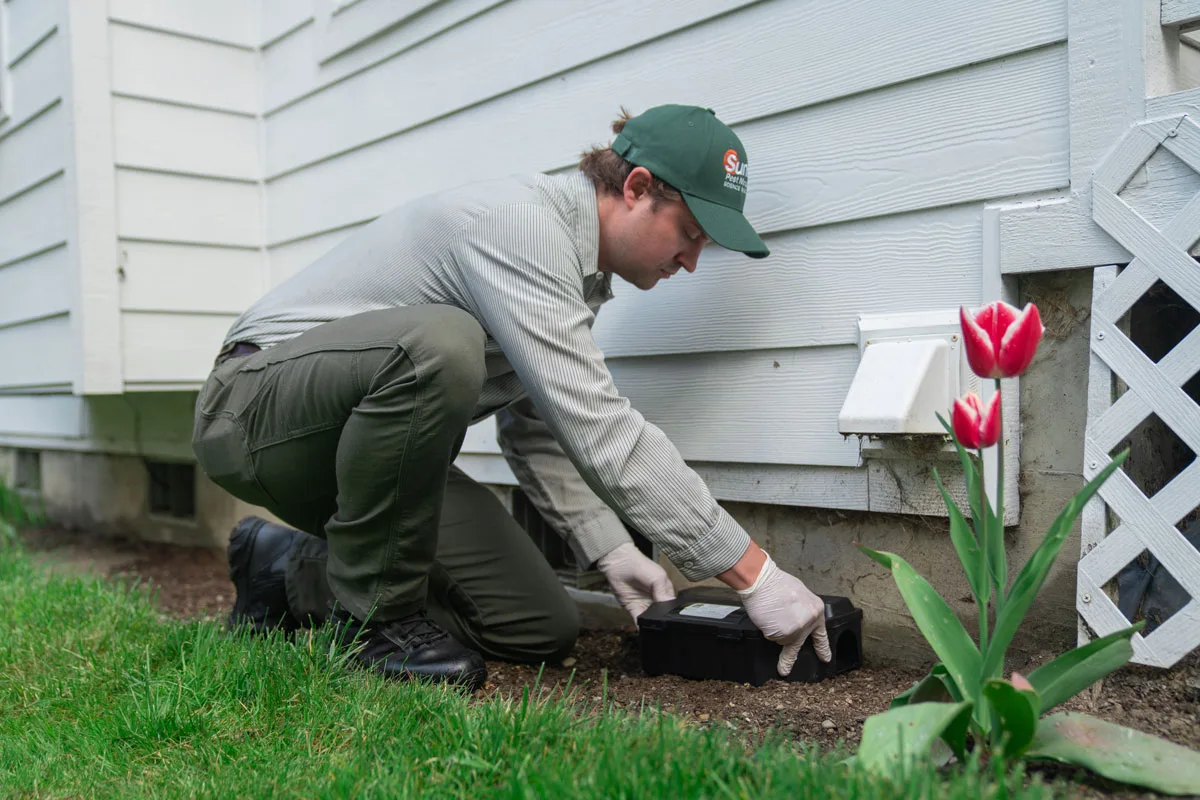
Shared customer notes should list products applied, zones treated, and next legal irrigation event. Lawn teams need to know when perimeter baits are down so mowers do not disturb stations. Integrated firms can align scopes but should still itemize invoices so owners see turf work separate from structure work. Use [contact](/contact) with separate symptom photos for turf versus foundation lines when scheduling combined properties.
Documentation for HOA and rental managers
Common areas with open turf and clubhouse perimeters need two checklists on the same property map. Residents complain about lawn patches and kitchen ants as one story when causes differ. [commercial pest control](/commercial-pest-control) turf contracts should state insect monitoring expectations apart from structural warranty language. Annual reviews perform better when prior year maps show which zones received lawn insect work versus perimeter only visits.
When to bundle versus split programs
Bundling saves admin when one qualified crew holds both turf and structural licenses and honors separate timing rules per zone. Splitting helps when turf stress needs agronomy first and structure pressure is seasonal and limited to eaves. Florida building assemblies, seasonal humidity, and travel turnover calendars change how the same pest sign should be interpreted on Gulf and Atlantic coastal properties. Note moisture sources, entry points, and recent appliance or furniture moves before a service path is set. Florida building assemblies, seasonal humidity, and travel turnover calendars change how the same pest sign should be interpreted on Gulf and Atlantic coastal properties. Note moisture sources, entry points, and recent appliance or furniture moves before a service path is set. Florida building assemblies, seasonal humidity, and travel turnover calendars change how the same pest sign should be interpreted on Gulf and Atlantic coastal properties. Note moisture sources, entry points, and recent appliance or furniture moves before a service path is set. Florida building assemblies, seasonal humidity, and travel turnover calendars change how the same pest sign should be interpreted on Gulf and Atlantic coastal properties. Note moisture sources, entry points, and recent appliance or furniture moves before a service path is set. Florida building assemblies, seasonal humidity, and travel turnover calendars change how the same pest sign should be interpreted on Gulf and Atlantic coastal properties. Note moisture sources, entry points, and recent appliance or furniture moves before a service path is set. Florida building assemblies, seasonal humidity, and travel turnover calendars change how the same pest sign should be interpreted on Gulf and Atlantic coastal properties. Note moisture sources, entry points, and recent appliance or furniture moves before a service path is set. Florida building assemblies, seasonal humidity, and travel turnover calendars change how the same pest sign should be interpreted on Gulf and Atlantic coastal properties. Note moisture sources, entry points, and recent appliance or furniture moves before a service path is set.
* Disclaimer: This article is for general informational purposes only. It is not professional advice, a quote, or a service agreement. Conditions at your home or property may differ; contact a qualified professional for an on-site evaluation before making repair, safety, or spending decisions.