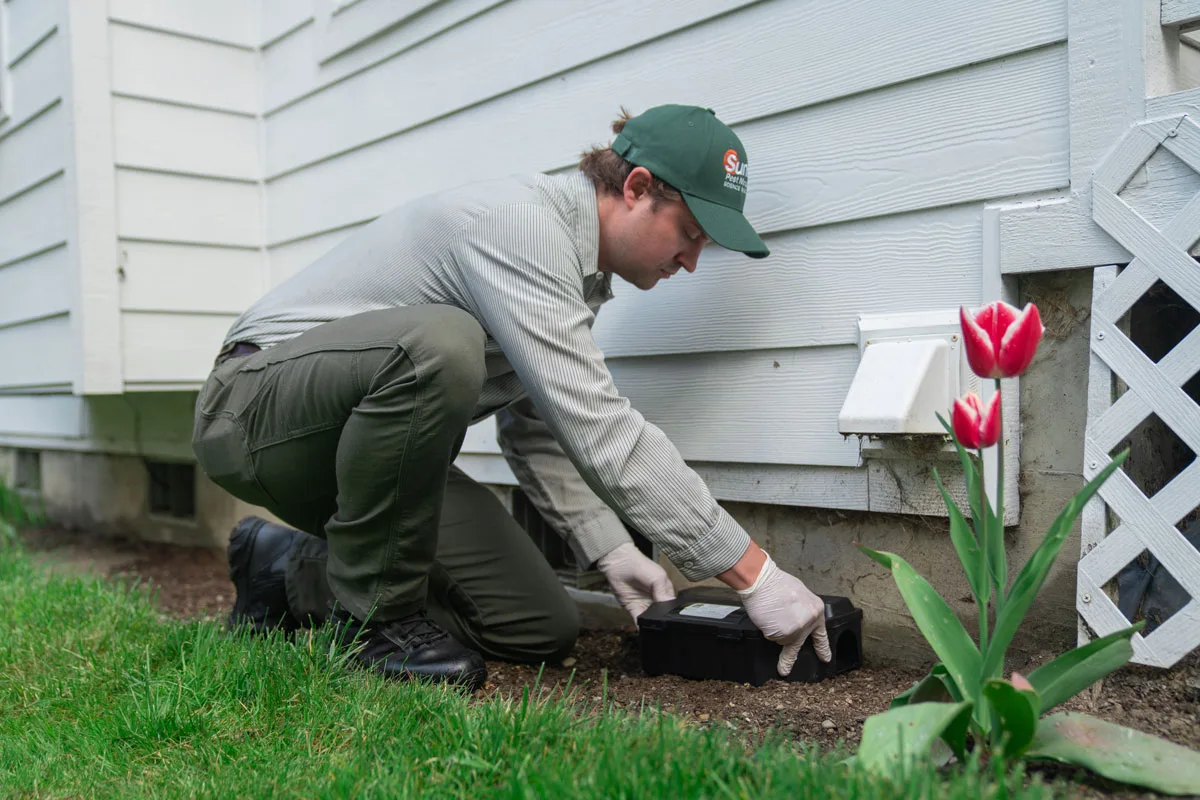
Pool equipment pads in Florida sit in warm, sheltered corners where rats and mice travel between hedges, sheds, and fence lines. Soft conduit jackets attract gnawing even when bait stations sit only at the foundation front. This article ties chew patterns, conduit routing, and when [rodent control](/rodent-control) programs should map equipment pads with attic and perimeter routes on the same property.
Why pool pads concentrate rodent traffic
Pumps and heaters provide vibration warmth and cover from hawks and midday sun. Gnawing on conduit may begin as taste sampling before rats attempt nest material in nearby valve boxes. Irrigation clocks and soft tubing on the same pad add clutter that hides runways. Droppings under equipment legs may appear before owners hear activity in the main house. Screened pools still leave equipment pads open to rodent travel along fence lines and dense hedge bases.
Reading gnaw marks on conduit versus insect damage
Rodent teeth leave paired scrape marks and angled cuts on plastic conduit. Insects rarely shred sheathing in long strips. Copper exposure at chew sites raises shock and pump failure risk that should be treated as urgent. Photograph chewed sections before taping. Electricians need to know whether conductors are nicked, not only whether outer jacket looks rough. Fresh wood chips on adjacent shed siding may mean the same animals work between wood and plastic in one night loop.
Landscape and refuse routes on Florida lots
Palm skirts, dense viburnum, and bromeliad pockets hold moisture and cover along fence lines. Fruit drop and bird seed beside lanais add calories within a rodent night range of pool equipment. Garbage pickup staging beside side gates creates nightly food pulses. Empty bins with residue still smell strongly in humid air. Map hedge gaps that let rats cross from neighbor pads without crossing open lawn where homeowners expect to see them.
Exclusion at pad edges
Hardware cloth around shed corners, sealed conduit penetrations into walls, and elevated storage on pads reduce repeat gnaw targets. Foam alone fails when rats test the same seam nightly. Trim back vegetation so air can move across pad faces. A pad that stays dark and moist through the day invites repeat visits even after trapping removes a few animals. Coordinate electrician repair with rodent work so new conduit is not laid across known runway without protection.
Monitoring after first trap results
Single catch events can mask larger colony maps under dense shrub lines. Continue monitoring at pad corners and fence posts for two weeks before declaring the route clear. [perimeter pest control](/perimeter-pest-control) bait placement should respect equipment access and pool chemical storage. Technicians need pad photos showing conduit routes, not only garage corners. Document whether damage restarted after a landscaping refresh that stacked mulch against fence bases.
When to escalate beyond pad trapping
Repeated conduit damage with attic noise suggests roofline entry as well as pad foraging. Whole property plans should connect shed, attic, and landscape routes. Use [contact](/contact) with pad photos, time of year, and irrigation layout before storm season when rodents seek higher dry refuges. Florida building assemblies, seasonal humidity, and travel turnover calendars change how the same pest sign should be interpreted on Gulf and Atlantic coastal properties. Note moisture sources, entry points, and recent appliance or furniture moves before a service path is set. Florida building assemblies, seasonal humidity, and travel turnover calendars change how the same pest sign should be interpreted on Gulf and Atlantic coastal properties. Note moisture sources, entry points, and recent appliance or furniture moves before a service path is set. Florida building assemblies, seasonal humidity, and travel turnover calendars change how the same pest sign should be interpreted on Gulf and Atlantic coastal properties. Note moisture sources, entry points, and recent appliance or furniture moves before a service path is set. Florida building assemblies, seasonal humidity, and travel turnover calendars change how the same pest sign should be interpreted on Gulf and Atlantic coastal properties. Note moisture sources, entry points, and recent appliance or furniture moves before a service path is set. Florida building assemblies, seasonal humidity, and travel turnover calendars change how the same pest sign should be interpreted on Gulf and Atlantic coastal properties. Note moisture sources, entry points, and recent appliance or furniture moves before a service path is set. Florida building assemblies, seasonal humidity, and travel turnover calendars change how the same pest sign should be interpreted on Gulf and Atlantic coastal properties. Note moisture sources, entry points, and recent appliance or furniture moves before a service path is set. Florida building assemblies, seasonal humidity, and travel turnover calendars change how the same pest sign should be interpreted on Gulf and Atlantic coastal properties. Note moisture sources, entry points, and recent appliance or furniture moves before a service path is set.
* Disclaimer: This article is for general informational purposes only. It is not professional advice, a quote, or a service agreement. Conditions at your home or property may differ; contact a qualified professional for an on-site evaluation before making repair, safety, or spending decisions.