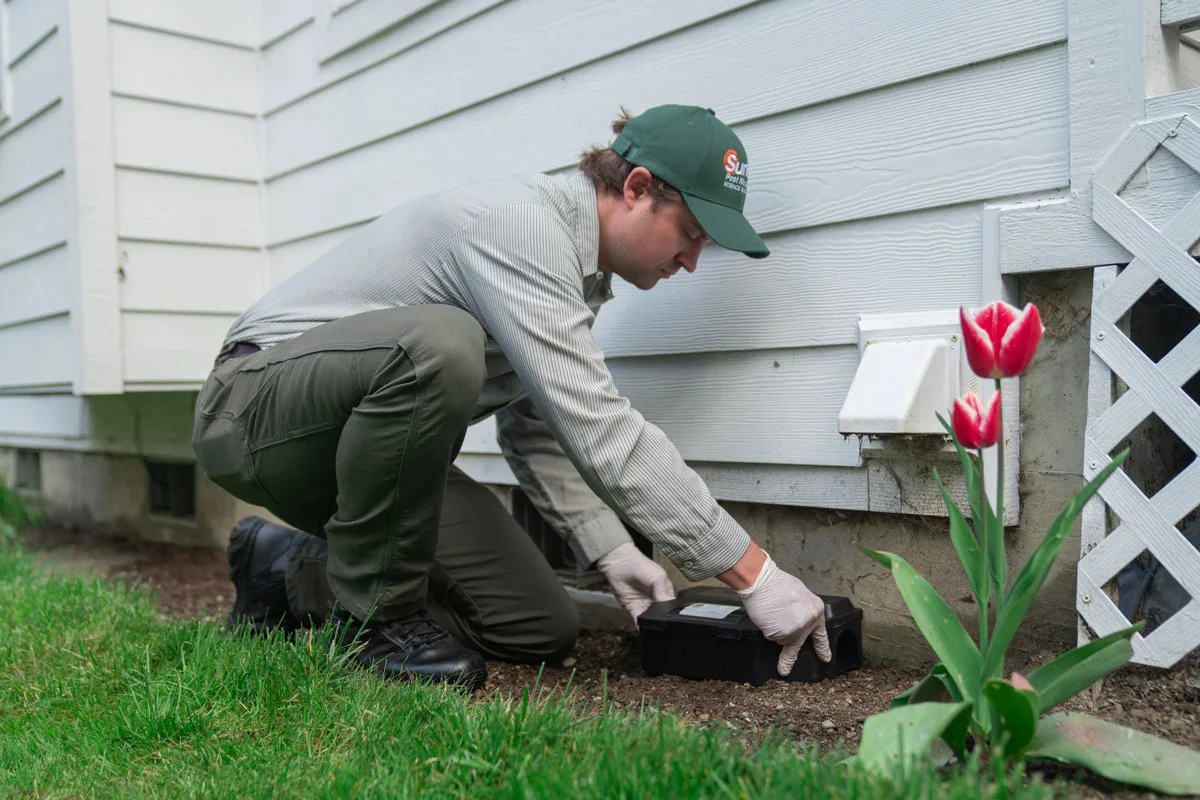
March afternoons in Seattle and Everett still feel cool, but wasps and ants are not far behind. The quiet weeks before the first real warm stretch are the easiest time to walk the outside of your house with a notepad instead of waiting until you are swatting bugs in the kitchen. Small gaps that looked harmless in January become busy doors for pests once temperatures rise.
Start where people walk every day
Check exterior doors for light leaks. Close each door on a bright day and look along the edges from inside. If you see daylight under a corner, mice can feel the draft too. Replace worn sweeps and adjust strike plates so weatherstrip meets evenly. This is one of the best do it yourself wins for rodent control support without touching poisons. Test window screens for rips and loose frames. Repair kits are cheap compared to a summer of flies and spiders slipping through torn mesh. Pay extra attention to basement hopper windows and laundry room openings. Look at garage door side seals. Gaps along the track invite rodents and large spiders. Brush style seals help when the slab is uneven.
Roof line, vents, and the places we forget
Walk the perimeter slowly and glance up. Missing or curled shingles near eaves can let moisture and insects find attic paths. Dryer vents and other wall penetrations should have intact flaps that close when the fan is off. Bird guards on stove pipes belong in good repair so nests do not block airflow and invite mites or flies. Crawl space vents should be intact and not buried by soil or bark after winter storms. If vents are broken, rodents use them like welcome mats. When in doubt, note the location and ask a pro during a routine visit rather than crawling into unsafe spaces alone.
Landscaping touches that matter this month
Trim anything that touches the siding or roof. Bridges of branches are highways for ants and squirrels. Move firewood stacks at least several feet from the house and up off bare soil if you can. Restack loose piles where they get air flow so insects are less excited to move in. If you store bird seed in the garage, use metal or heavy plastic bins with tight lids. Loose seed on a shelf feeds mice long before you notice droppings. The same rule applies to dog food stored in thin bags on the floor.
Pair your walkthrough with a realistic service schedule
Even careful homes benefit from scheduled help. Our guide on how often to schedule pest and lawn services in the Pacific Northwest explains why spacing visits with the seasons beats calling only during a crisis. If you are unsure which gaps need a pro, read when to call a pro versus handling pest and lawn issues yourself for plain language guidance. When ants or spiders are already a pattern, service pages such as ant control and spider control outline how technicians target routes and harborage instead of only spraying the baseboards indoors.
Tools to bring on your outside walk
- Bright flashlight for crawl vent checks without entering
- Screwdriver for loose screen corners
- Notebook or phone photos dated for comparison next year
- Caulk and foam marked for exterior use only where gaps are safe to fill
- Gloves if you move debris or old pots
How Sunrise Pest and Turf Management supports the Sound
We work from Bremerton to Bellevue and many points between. After you tighten the obvious gaps, we can layer pest control treatments and monitoring that match your property, not a generic national script. Programs such as full service pest control keep visits predictable through the year. Reach us at (888) 376-9109 or through contact to schedule.
Signs you should stop the do it yourself path and call
- Chewed wires or insulation in the garage
- Daytime rat sightings or heavy scratching in walls
- Large numbers of ants indoors daily for more than a week
- Stinging insect nests under eaves that grow quickly
- Any uncertainty about structural gaps you cannot safely reach
Why March timing helps
Pests in Western Washington respond to soil warming and longer days, not only calendar holidays. March work catches problems while crews are less rushed and while materials dry reasonably between showers. You also avoid the peak season scramble when everyone remembers their patio at the same time. Finish the walk, fix what is safe and obvious, and line up professional help for anything that feels out of scale. A calm plan now is easier than reacting when the warm spell hits and the ants march across the counter in a straight line.
One last habit
Date your photos when you finish repairs. Next March, scroll back and compare. Small shifts in grade, plant growth, or new construction next door can reopen gaps you thought were solved. A yearly exterior pass keeps the house tighter, drier, and less interesting to the pests that also love our mild springs.