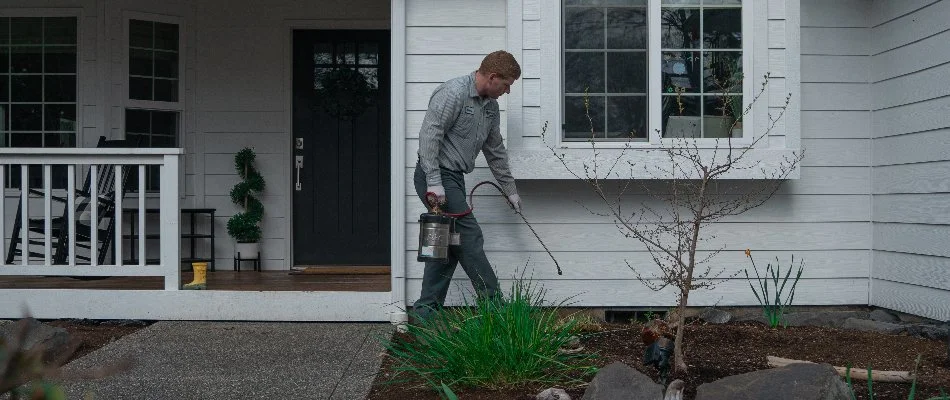
Spring on the Puget Sound is not a single sunny weekend; it is a long slide from cool, saturated soils to warmer days when weed seeds finally germinate. Pre-emergent herbicides work by creating a brief soil barrier that interrupts young seedlings as they try to establish. They do not replace pulling mature dandelions, but they dramatically reduce the next wave of annual grasses and many broadleaf weeds when timing and follow-up are right.
What pre-emergent control is—and what it is not
Think of pre-emergent products as a timing tool aimed at seeds that have not yet produced true leaves above the soil line. They are a strong fit for many annual weeds and some problem perennials when applied before germination peaks. They are not a magic blanket over established patches of clover or buttercup that already own a corner of the yard; those situations need targeted post-emergent work and cultural changes such as thicker turf from lawn fertilization or overseeding. Sunrise Pest and Turf Management builds weed control around both layers: prevention before the rush and cleanup when weeds are already visible.
Why Western Washington timing differs from national ads
National retail calendars assume Midwest warm-up curves. Here, cool-season lawns dominate, soil warms slowly, and spring rain can move products if applications sit on saturated ground without care. That is why our technicians watch micro-seasons along the I-5 corridor, Kitsap, and the Eastside rather than a single generic date pulled from a bag label. Early spring rounds on our fertilization programs commonly pair liquid nutrient work with pre-emergent strategy where the property needs it—similar to how we describe combined rounds on our lawn service pages—so you are not fertilizing into a weed explosion that could have been throttled weeks earlier.
Pairing weed control with turf health
The healthiest outcomes show up when barriers sit on top of soil that can absorb them evenly. Compacted clay that puddles in Bellevue or Renton may need aeration in the appropriate season so roots, air, and water move freely. Thin turf invites light-loving weeds; thick turf crowds them naturally. Your spring guide should therefore mention overseeding windows only when soil temperatures and moisture support germination—something we evaluate on site rather than guessing from a blog photo.
Lime, grubs, and other spring confusers
Yellow mossy patches sometimes reflect low pH rather than a weed problem. If a soil test points that direction, lime treatments may belong in the plan before you keep stacking herbicides. Likewise, skunk damage can look like a weed issue from the kitchen window but actually signals grub control conversations. A quick turf inspection separates those stories.
Working with Sunrise this spring
We have delivered lawn and pest services since 1978, maintain an A+ rating with the Better Business Bureau, and participate in the Washington State Pest Management Association. When you are ready to line up pre-emergent work with the rest of your cool-season program, call (888) 376-9109 or request a visit through contact. We will confirm timing for your specific lot in Seattle, Tacoma, Gig Harbor, or nearby—not a one-size national map.
Spring pre-emergent checklist
- Note where crabgrass or annual bluegrass appeared last summer
Hold off heavy raking that tears soil right before a barrier application unless your technician directs it
- Mark irrigation heads so technicians can treat evenly around obstacles
- Plan one follow-up visit mindset: spring is a sequence, not a single spray
- Ask about pairing with fertilization so the lawn thickens while weeds lose ground