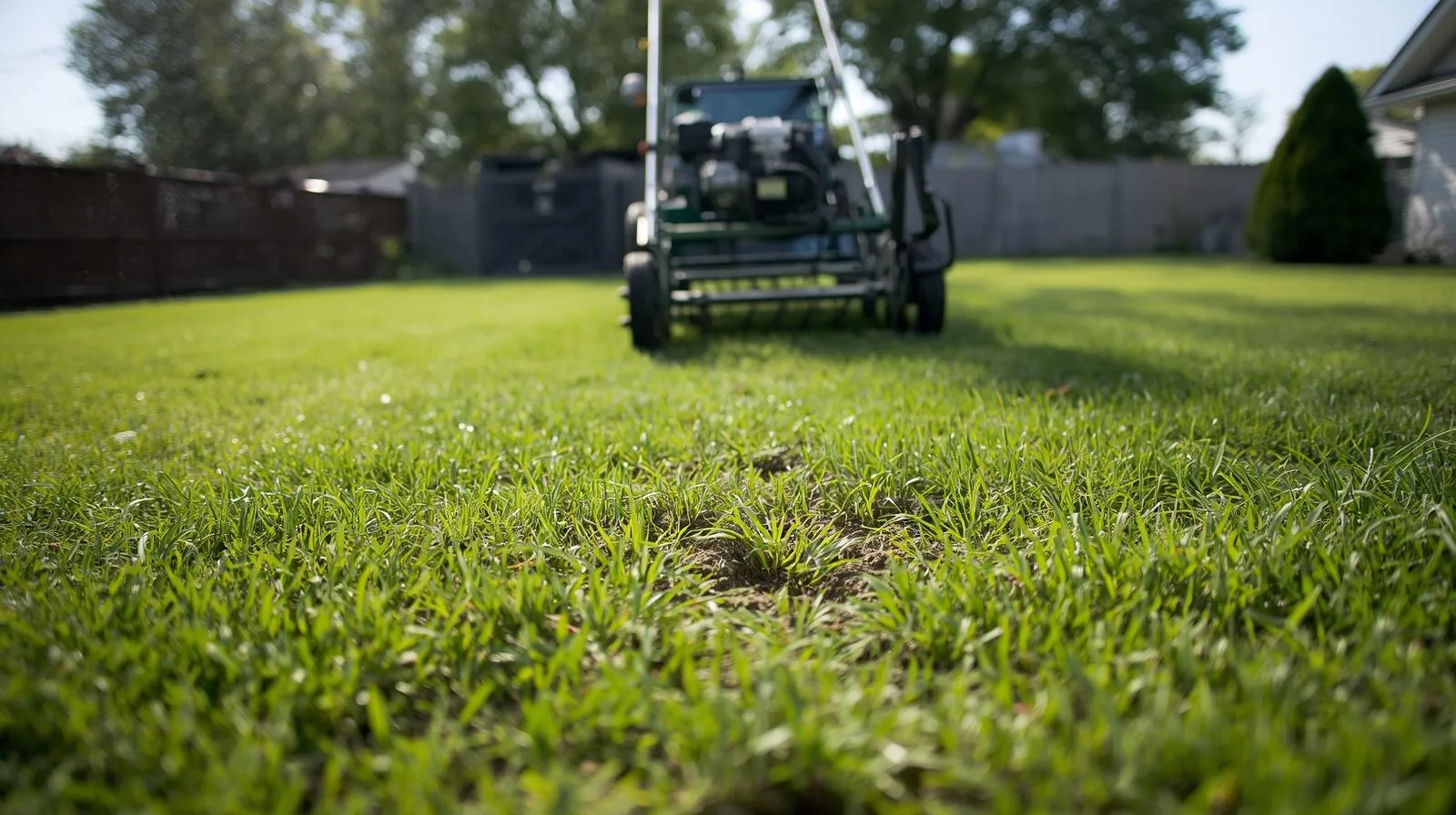
In Western Washington, wet soil and puddles that stick around after rain are common. They are also a problem. Standing water drowns grass roots, encourages disease, and creates the kind of damp conditions that pests and mosquitoes love. Fixing the ground so water moves away from the wrong places pays off for both your lawn and your peace of mind.
Why standing water hurts the lawn
Grass roots need air as well as water. When the soil stays saturated, the roots cannot breathe and the lawn weakens or dies. You end up with thin, yellow, or bare spots that do not improve with fertilizer or seed until the drainage is addressed. In our climate, heavy fall and spring rain makes this worse. Low spots, compacted soil, and poor slope all keep water in place longer than it should. Identifying where water sits is the first step.
Why standing water attracts pests
Pests like moisture. Mosquitoes lay eggs in standing water; even a bucket or a clogged gutter can be enough. Ants, including the kind that nest in wood, are drawn to damp areas around the house and under the soil. Termites and other wood damaging pests thrive where wood stays wet. If you have puddles near the foundation, or soil that stays soggy against the house, you are giving pests a welcome mat. Improving drainage so the ground and the structure dry out helps reduce the chance of infestations.
What you can do yourself
Simple steps often make a big difference. Clear gutters and downspouts so rain flows away from the house instead of dumping next to the foundation. Extend downspouts with pipes or splash blocks so water is carried several feet away. Fill obvious low spots in the lawn with topsoil and seed so water does not collect there. Avoid watering the lawn so much that it stays soggy; deep, less frequent watering is better than daily shallow sprinkling. If you have potted plants, empty the saucers after rain so they do not hold water for days.
When to get help
If the yard stays wet for days after every storm, or you see water in the crawl space or basement, the cause may be slope, soil type, or something under the ground. In that case, a contractor who specializes in drainage can regrade, add drains, or install a simple system to move water where it needs to go. Once the ground is fixed, your lawn care will work better. Fertilizer, overseeding, and aeration are more effective when the soil is not drowning. We serve Seattle, Tacoma, Bremerton, and surrounding areas; if you are not sure whether your lawn issues are drainage related, we can take a look and suggest next steps.
Pest control and moisture
Reducing moisture around the home supports pest control too. A perimeter treatment helps keep ants and spiders from coming inside, but if the foundation and soil stay wet, pests will keep finding reasons to hang around. Fixing drainage, sealing cracks, and keeping plants and mulch away from the siding all work together. For ongoing protection, many homeowners use a program like our All Pest Protection so technicians can treat and monitor on a schedule that fits the season.
Putting it together
Standing water and poor drainage hurt the lawn and attract pests. Start with the easy stuff: clear gutters, extend downspouts, fill low spots, and avoid overwatering. If the problem is bigger, get a drainage pro to fix the ground, then keep up with lawn care and pest control so the yard and the house stay in good shape. If you want an expert opinion on your lawn or pest situation in Western Washington, call us at (888) 376-9109 or use our contact page. We are here to help.