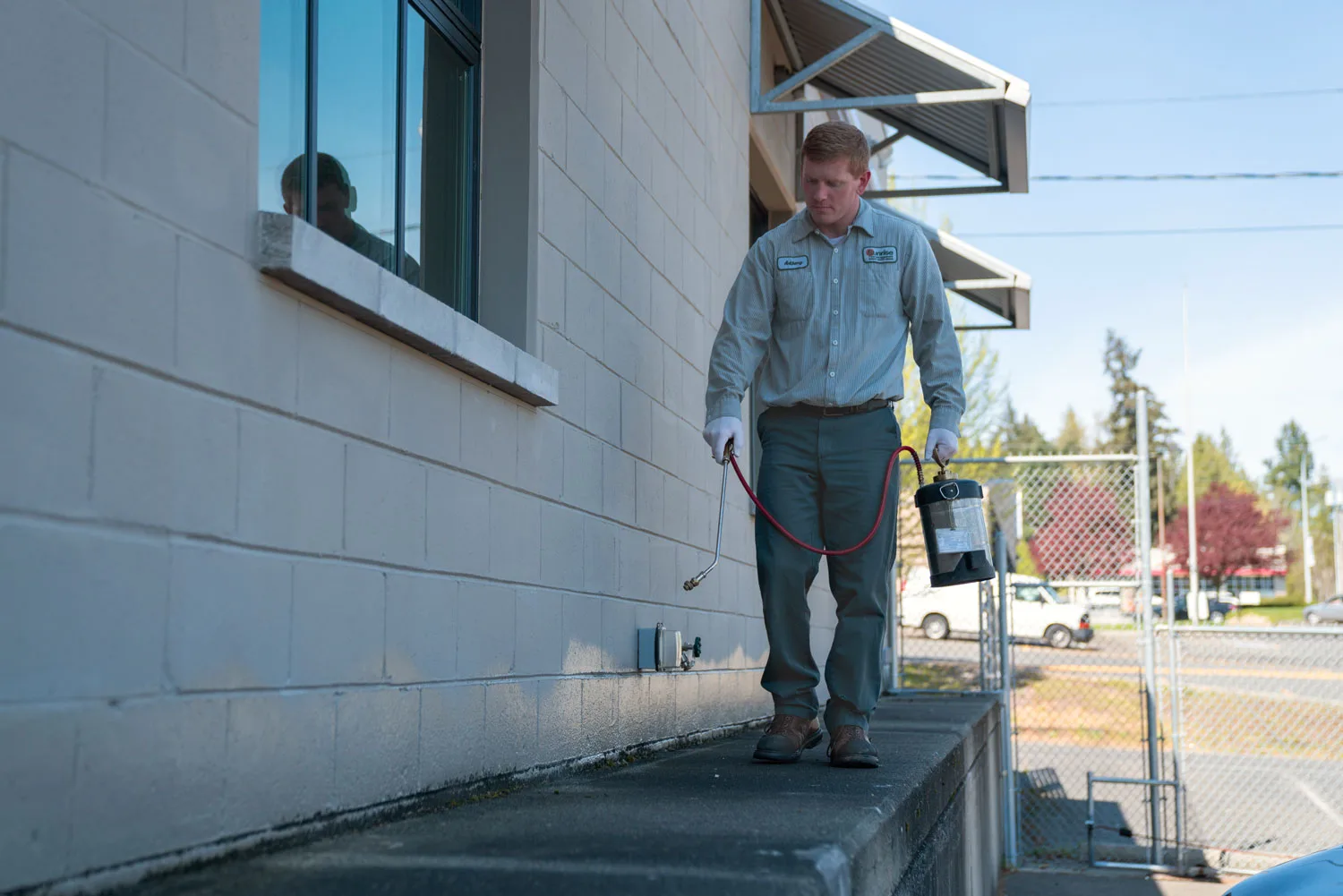
Mud tubes on porch slabs look like random dirt smears until someone traces them from soil to wood or framing. Subterranean termites need soil contact and protected highways across concrete and stucco. This article reads tube width, break points, and how [termite control](/termite-control) inspection should pair porch entries with irrigation spray and planter soil that touches the same face.
Tube anatomy on slab on grade porches
Shelter tubes combine soil, saliva, and fecal material into highways that block airflow and light. Fresh tubes feel moist and may show worker traffic when disturbed gently. Broken tubes with dried edges may mean old activity, but colonies can branch to new paths behind porch overhangs within days on humid weeks. Photo tubes with a ruler and note height above soil. Tubes above eight inches on porch columns often connect to hidden door buck or beam pockets.
Planters and irrigation that touch the slab face
Built in planters along porch edges keep soil against stucco weep areas. Irrigation overspray wets the same band subterranean workers use at night. Downspout discharge beside porch steps creates perennial moisture wedges. Tubes frequently appear at those corners before living rooms show damage. Relocate planters or add gravel breaks where soil currently kisses stucco before chemical work alone is scheduled.
Expansion joints and cold joints
Slab porches often pour against older house slabs with visible joint lines. Termites exploit capillary paths at joints when sealant ages and cracks. Garage aprons that share joints with front porches can extend tube networks toward interior framing without obvious attic signs. Sealant repair belongs in the same conversation as treatment when joints show repeat tube rebuilding after rain.
Distinguishing tubes from mud dauber or ant trails
Mud dauber nests are isolated cells, not continuous soil linked highways. Ant frass trails lack uniform mud casing along the full run. Stucco splash from lawn maintenance can stain porches but lacks internal tunnel structure when scraped lightly. When uncertain, preserve a photo sample rather than washing the entire face before inspection.
Treatment classes and porch access
Liquid barrier applications, bait systems, and localized wood treatment carry different monitoring expectations on slab homes. Porch entries need clear access without moving furniture that blocks joint lines. Annual renewals should note whether tubes were active at renewal visit versus historical scars marked on prior reports. Coordinate [full service pest control](/full-service-pest-control) review when tubes appear at porch and garage entries during the same week.
Owner records through rainy seasons
Florida afternoon storms refill soil moisture that supports tube building after dry spells. Log rain weeks when tubes reappear to separate weather effects from failed barriers. Send porch photos from multiple angles before calling [contact](/contact). Include planter locations and last irrigation audit date. Florida building assemblies, seasonal humidity, and travel turnover calendars change how the same pest sign should be interpreted on Gulf and Atlantic coastal properties. Note moisture sources, entry points, and recent appliance or furniture moves before a service path is set. Florida building assemblies, seasonal humidity, and travel turnover calendars change how the same pest sign should be interpreted on Gulf and Atlantic coastal properties. Note moisture sources, entry points, and recent appliance or furniture moves before a service path is set. Florida building assemblies, seasonal humidity, and travel turnover calendars change how the same pest sign should be interpreted on Gulf and Atlantic coastal properties. Note moisture sources, entry points, and recent appliance or furniture moves before a service path is set. Florida building assemblies, seasonal humidity, and travel turnover calendars change how the same pest sign should be interpreted on Gulf and Atlantic coastal properties. Note moisture sources, entry points, and recent appliance or furniture moves before a service path is set. Florida building assemblies, seasonal humidity, and travel turnover calendars change how the same pest sign should be interpreted on Gulf and Atlantic coastal properties. Note moisture sources, entry points, and recent appliance or furniture moves before a service path is set. Florida building assemblies, seasonal humidity, and travel turnover calendars change how the same pest sign should be interpreted on Gulf and Atlantic coastal properties. Note moisture sources, entry points, and recent appliance or furniture moves before a service path is set. Florida building assemblies, seasonal humidity, and travel turnover calendars change how the same pest sign should be interpreted on Gulf and Atlantic coastal properties. Note moisture sources, entry points, and recent appliance or furniture moves before a service path is set. Florida building assemblies, seasonal humidity, and travel turnover calendars change how the same pest sign should be interpreted on Gulf and Atlantic coastal properties. Note moisture sources, entry points, and recent appliance or furniture moves before a service path is set.
* Disclaimer: This article is for general informational purposes only. It is not professional advice, a quote, or a service agreement. Conditions at your home or property may differ; contact a qualified professional for an on-site evaluation before making repair, safety, or spending decisions.