Persistent moss in turf can sound more complicated than it needs to be. The topic becomes much clearer when it is connected to your actual lawn, the way it is used, and the result you are trying to achieve. Bremerton-area moisture and shade can make moss a recurring indicator of how the site functions. From there, the important details can be discussed in plain language without a long list of technical possibilities.
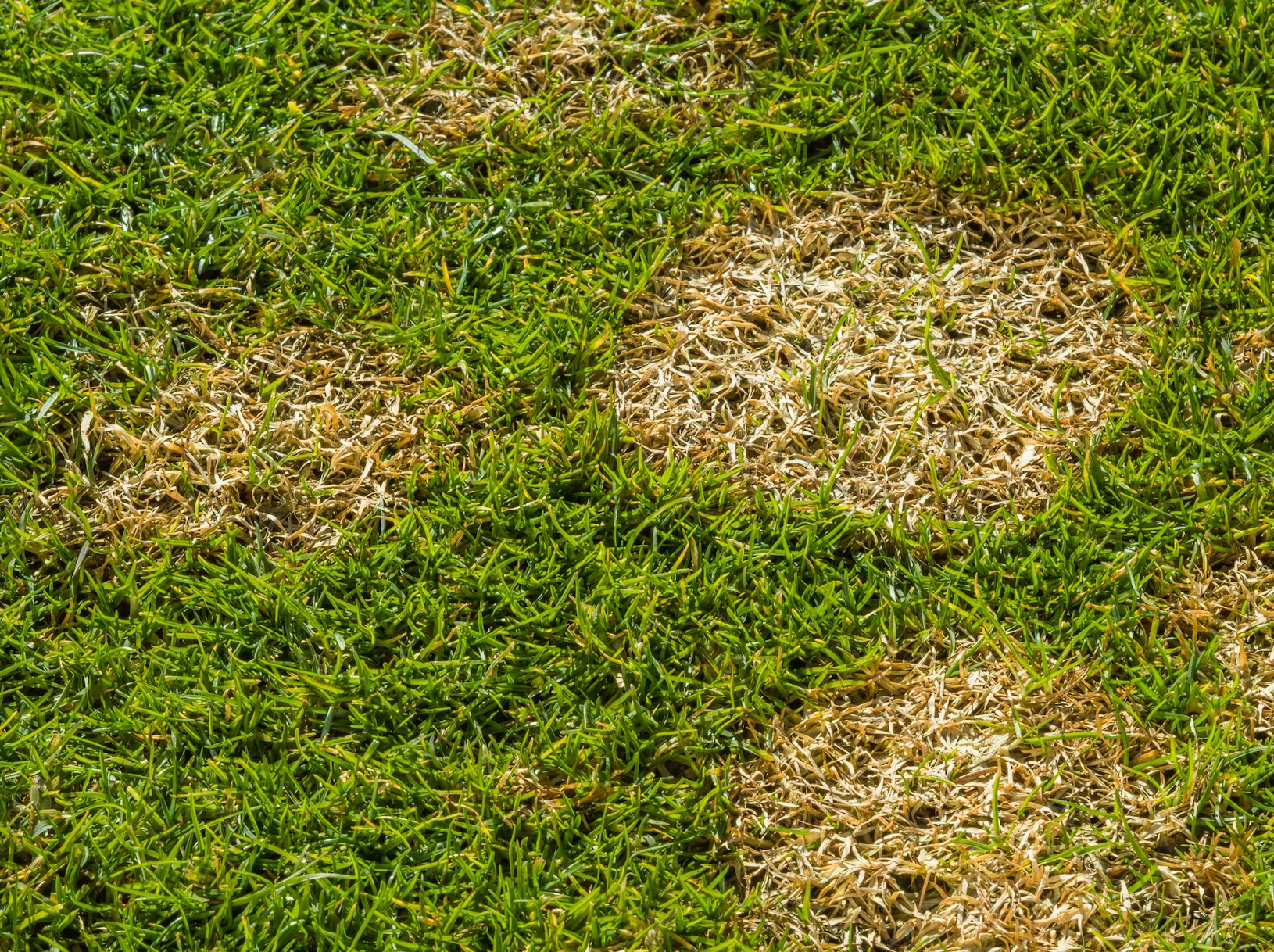
A thin, brown, or uneven area of turf can have more than one cause. Looking at shade, soil drainage, and compaction helps separate the visible pattern from the conditions below and around it. Recent weather, mowing, watering, and earlier treatments add context. The goal is to avoid treating one possibility while a different issue continues to stress the lawn.
The review should also include mowing height, soil fertility, and turf density. These details can make damage look worse, slow recovery, or create a pattern that resembles insects or disease. Considering them does not mean every lawn problem has a long list of causes. It simply helps make sure the treatment matches what the turf is actually experiencing.
A tempting first answer is removing visible moss while leaving the conditions that favor its return. The problem is not that this is always wrong. It is that the answer can be incomplete when the surrounding setup tells a different story. A little context makes it easier to keep a focused job focused and recognize when another detail truly changes the plan.
Take a few close photos and one wider photo before changing mowing, watering, or treatment. The wider view helps show the pattern, while the close view preserves leaf and soil details. You do not need a formal report. A few clear notes or photos related to shade, soil drainage, and compaction can make the first conversation far more useful.
Before You Schedule Service
It is also useful to talk about what happens after the work. Ask what a normal result should look like, what you can safely watch for, and whether a follow-up depends on weather, regular use, or another season. That gives you a practical way to judge the result without making you responsible for performing a technical inspection. When reviewing persistent moss in turf, keep any follow-up tied to a clear change involving turf density.
The useful question is not simply, 'What can be done?' It is which combination of drainage, light, soil, turf, and treatment changes is realistic. That keeps the recommendation tied to an outcome rather than a list of services. You should know why each proposed step is included, what inconvenience it may create, and whether leaving part of the existing lawn unchanged is a reasonable choice.
A few plain questions can keep the conversation useful. Ask how the condition around shade affects the recommendation, whether anything involving soil drainage needs to be handled before the work, and what you should know about turf density afterward. The answers should connect each detail to the result you care about.
It is equally important to know what does not need to change. The review may confirm that part of the lawn can remain as it is or that a nearby condition is unrelated. That is useful information. A good visit should narrow the concern and keep the recommendation proportional rather than turning every observation into another service or upgrade.
We want the conversation about persistent moss in turf to end with a clear next step, not a vague warning or an oversized list of possibilities. That means focusing on the conditions that affect the result, explaining any reasonable alternatives, and being honest about anything the first property visit cannot settle. You should know what the work is meant to accomplish before deciding.
The goal is not to collect every possible concern around the lawn. It is to understand the few details that matter for persistent moss in turf and make a comfortable decision from there. A good result should make sense in everyday use, not only sound convincing in a proposal or service explanation.