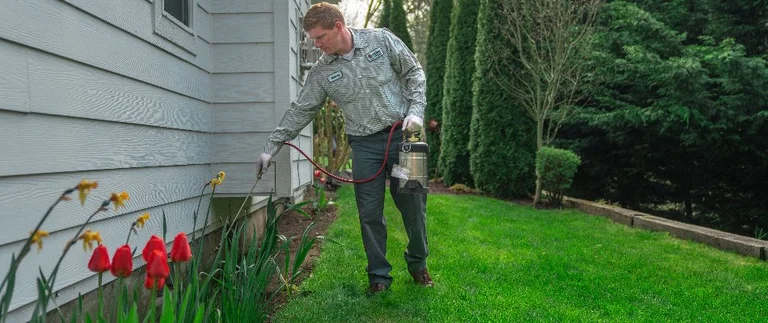
April warmth in Pierce and King County brings more than longer evenings. It also brings the first serious ant trails across patios and garage thresholds. Many homeowners assume every small ant is the same story. In practice, moisture lines, food habits, and entry height tell different tales. Late April is a useful moment to separate nuisance scouts from patterns that deserve a structured plan before warm evenings fill the patio.
What changes when soil and air both warm
Colonies that slowed in winter pick up foraging again. Pet food bowls on laundry room floors, hummingbird drips on deck rails, and garbage day timing all matter. Outside, mulch that stayed damp against foundations all winter becomes a reliable corridor. Spiders are not the villain in every corner; they often signal flying insects gathering near lights. Read spiders in Western Washington if silk and egg sacs are your main worry, then return here for ant focused habits. Soil along south facing walls warms first, which can speed brood activity even when nights are still cool. Document sunny versus shady foundation faces when you call so treatment plans respect what your house actually does through the day. Pair that note with a slow exterior walk from May exterior walk for sills, gutters, and porches when guest season is close.
Scouts versus steady lines
Occasional ants on a warm afternoon differ from the same expansion joint every evening. Winged forms near windows, multiple rooms with activity, or sweet odor when crushed on a paper towel all change the urgency. If your notes sound closer to kitchen counters and pet bowls, read odorous house ants identification, treatment, and prevention before you mix every outdoor story into one panic bucket. Sliding door tracks collect grit that holds moisture and food film in one narrow line. May guest traffic concentrates crumbs along the same path. See May sliding door track story for track focused habits that support ant work.
Habits that reduce callbacks
Wipe honey jars before they live in recycling bins in the garage. Rinse bottles with sweet residue. Move firewood stacks a few inches off concrete so air can pass. Fix the water splashing from downspouts block that shifted so water no longer sheets along the stem wall. Dry foundation zones and move stored items off damp concrete. These steps do not replace treatment when colonies are established; they simply remove easy wins for scouts. Garages behave like secondary kitchens: dog food, bird seed, and bulk snacks beside recycling towers. A Friday broom pass sounds silly until you map how many spring trails start there. Slow leaks in wall cavities can support ant interest without obvious stains yet. If paint blisters at a baseboard or you notice faint clicking in a quiet room, add that note to your exterior list.
When professional exterior work fits
If trails appear daily, if multiple rooms show activity, or if winged forms gather near windows, talk with a technician about targeted exterior applications and interior follow up where needed. Our ant control page and pest control services explain how programs layer visits through the season. Perimeter pest control addresses wandering insects before they test interior gaps. Businesses seeing the same spring surge can mirror planning through commercial services. Crew calendars fill before Memorial Day. Locking a plan in late April usually gives you cleaner routing options than calling after the first heat dome. You still respect label timing and soil conditions; you avoid the scramble where every vendor is booked two weeks out.
Turf stress and pest pressure together
Lawns thin from compaction or pet wear often sit next to the same foundation gaps ants love. If you are also tuning cool season feeding, lawn care services helps you see fertilization, weed control, and insect timing as one calendar instead of three arguments on your phone. Drainage notes belong beside turf color; see standing water and drainage when puddles repeat in the same bowl. If several outdoor worries fire at once, the May evening bite priority quiz can sort your next read on this site.
Working with Sunrise Pest and Turf Management
We maintain an A plus rating with the Better Business Bureau and combine turf visits with pest routes that respect how your family uses each space. We have served Western Washington since 1978 and participate in the Washington State Pest Management Association. Call (888) 376 9109 or send a note through contact when you want late April decisions to feel calmer than the weather forecast.
Photo habits that help
Wide shots of the foundation plus a close macro of one ant on tape help office staff route your call. Flash off, steady hands, and include a common object for scale. In a duplex, ask whether neighbors see the same trail timing; shared plumbing chases sometimes explain synchronized sightings once you map the wall line.
Winged ants and window sills
Winged forms near windows can look alarming even when the colony story is still manageable. Note which sill faces sun, whether wings pile after rain, and whether vacuuming alone clears the scene for a day. Those details separate a swarm event from steady kitchen pressure and help office staff route your call before warm evenings fill the patio.
Bait timing and why April notes matter in July
Exterior bait and barrier work depend on active foraging and label rules. Notes you take in late April still matter in July when the same joint flares again. Write down which wall face warms first, where splash lands, and whether trails appear after rain or only after cookouts. Technicians use those patterns to place work where foragers actually travel instead of where panic suggests.
Closing thought
Ants read moisture and food more honestly than people read labels. Give them fewer reasons to return and you give technicians a cleaner field to protect. Late April is the month to write those habits down before Memorial traffic and warm evenings compress every job into one weekend. Bring those notes to contact when you are ready for a plan.