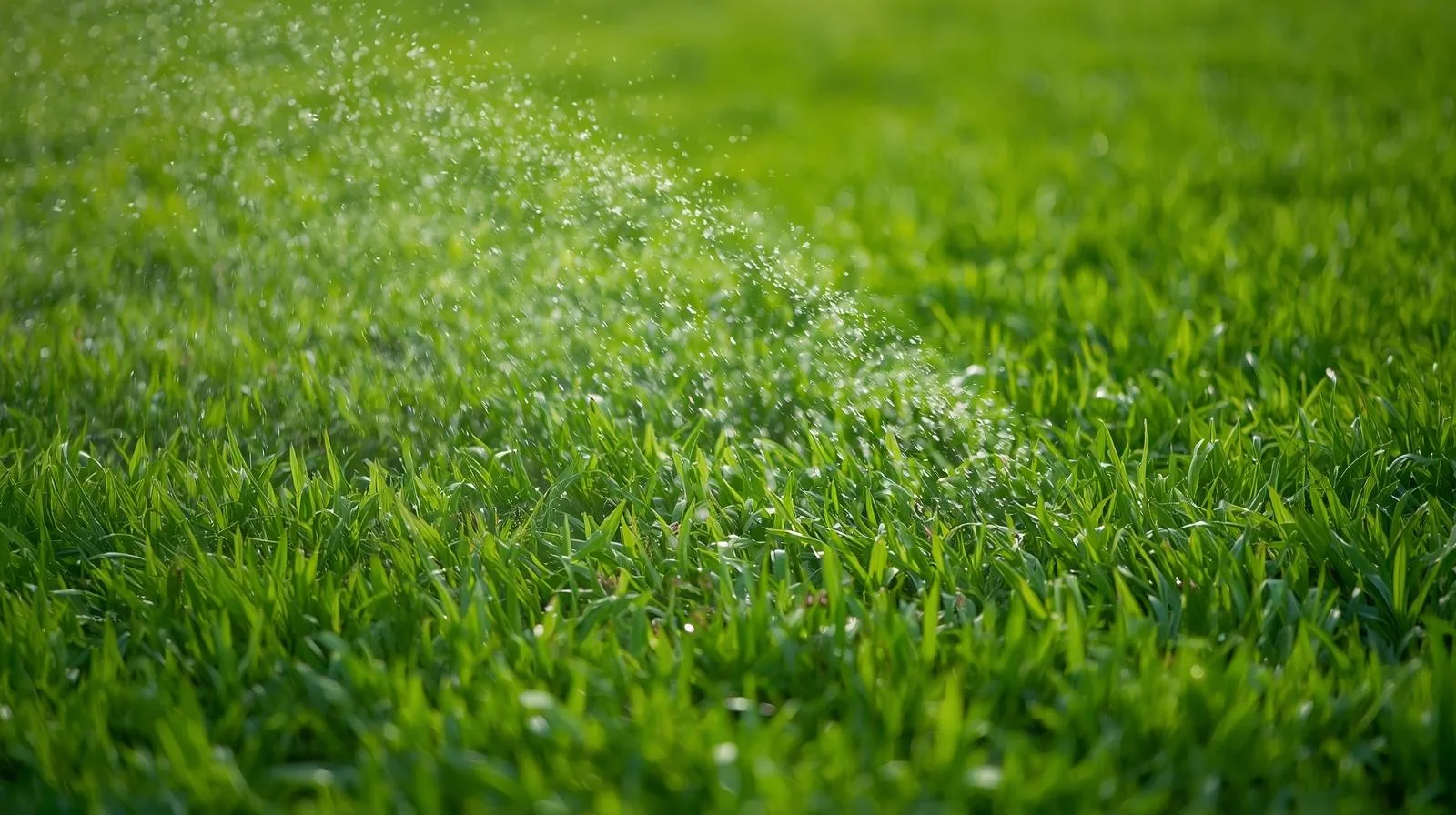
You step off the porch with coffee still hot and notice the lawn looks plush in the center yet oddly pale along the north fence. Neighbors in Bremerton, Tacoma, and along the Eastside describe the same late April read every year. Cool season grass is awake, yet soil in Western Washington still carries winter moisture while afternoon sun pulls water off grass blades faster than roots replace it. That mismatch is not failure. It is the normal handoff between spring rains and the first stretch of steady seventy degree days.
Why late April turf feels different underfoot
Perennial ryegrass and tall fescue lawns common around the Puget Sound grow from the crown outward when soil warms. Microbes in the top few inches begin cycling nutrients again. Foot traffic returns to the same path to the gate and the strip where the dog always turns. Compaction from winter boots and wheelbarrows shows up as thinner color before you ever see a weed. If you only stare at fertilizer ads, you miss the simpler signal: grass height and soil contact changed at the same time. The lawn two doors down can look perfect while yours looks tired even when you follow the same bag advice. Sun angle, tree line, irrigation overlap, and dog paths differ. Compare problem strips only to zones on your lot that get similar light and traffic. That habit keeps you from chasing a fertilizer fix when the real limit is shade or compaction near the trampoline.
Mowing without stealing the pantry
Raise the deck before you chase stripes. Taller blades shade soil, slow evaporation, and support roots that still live mostly in the upper profile. Scalping to make the first cut dramatic invites summer thin spots you will blame on July. If growth doubled after a warm week, mow again sooner instead of taking one deep pass. Alternate direction when you can so wheels are not wearing the same ruts along the fence. Bag or discharge clippings per your normal disease comfort, but do not let tall fence lines lag while the center stripe looks magazine ready. Those borders behave like summer habitat long before Memorial Day. Trim them on the same rhythm as the front yard and read ticks, tall grass, and yard rhythm before summer when pets and kids live on those paths.
Water and drainage as one story
Short daily spritzes keep roots shallow. Deep, less frequent cycles match clay pockets and sand lenses mixed across many lots. Walk low areas after rain. If puddles repeat in the same bowl, note it before you buy another bag of anything. Our team often pairs turf visits with conversations about moisture because many pest routes start where mulch touches siding or gutters spill against the foundation. See standing water and drainage next to your April plans. Run one irrigation zone and watch where spray hits pavement. Fix one mis aimed head before you change fertilizer. Small alignment wins often move color faster than another product trial. Mis aimed heads that soak fence lines keep grass tall and humid longer, which supports both turf stress and the damp edge effect many homeowners want near seating areas.
Nutrition on a calendar that fits here
National television schedules rarely match Kitsap mornings or Seattle marine layers. Programmed lawn fertilization should follow growth and soil temperature, not only a holiday weekend. If you are comparing professional options, lawn care services explains how fertilization, weed management, lime, aeration, and insect work fit together. Retail bags can be fine for small tests, yet they do not replace a plan that respects weeks when the lawn is still too wet for heavy equipment. Late April is also when many families line up exterior pest timing before barbecue season. Ants test the same expansion joints every spring. Spiders rebuild where porch lights attract small flies. Repeat a slow walk you began in March, clearing mulch off damp siding and moving pots that trap moisture against brick. If kitchens or garages already show activity, start at pest control services and pick the pathway that matches what you actually see. Ant habits pair with late April ant trails and exterior habits. Perimeter moisture pairs with perimeter pest control and the May exterior walk at May exterior walk for sills, gutters, and porches.
Bring measurements to your first call
If you can describe mower height, minutes per zone, and where puddles return, your first conversation with a technician moves faster. Photos in morning light help too. None of that replaces a site visit; it simply saves you from repeating a vague worry that the grass looks off. Call (888) 376 9109 or use contact when you want April decisions written down instead of restarted every Saturday.
How Sunrise fits late April
We combine turf science with pest routes tuned to marine influenced climates. Crews have served the region since 1978 and stay current through the Washington State Pest Management Association. We maintain an A plus rating with the Better Business Bureau. Use professional visits to reduce guesswork on timing, match mowing height to growth instead of impatience, and treat drainage notes and turf color as one conversation.
One habit to try this week
Run one irrigation zone and watch where spray hits pavement. Fix one mis aimed head before you change fertilizer. Then mow one fence line you skipped all spring and notice how much taller that strip was than the center lawn. That single comparison usually teaches more than a generic internet chart.
Weed pressure and thin spots beside the handoff
Chickweed and annual weeds love the same moist, bright window cool season turf uses to thicken. Hand pull small patches before they seed, or line up professional weed work when the lawn is dry enough to treat without rutting. Thin gates paths often sit next to foundation gaps ants test; fixing only color without traffic patterns invites the same spring story next year.
Aeration and equipment windows
Core aeration belongs on the calendar when soil is moist but not muddy enough to smear cores across the stripe. Many homeowners wait until summer stress, which is late for the handoff window. Ask about aeration when you open lawn care services so heavy equipment visits land on the right week, not the first open Saturday in July.