The back strip along your fence in Gig Harbor turned spongy green again while the grass looks tired and thin. Neighbors in Port Orchard and Bremerton tell the same story every wet spring. Moss is not a sign you ignored the yard on purpose. It means shade, steady moisture, and soil that holds water longer than your grass prefers. Once you read the yard honestly, the plan gets simpler.
Why moss wins so often here
Our part of the state gets long stretches of gentle rain and gray skies. Soil stays damp at the surface. Trees keep growing wider canopies each year. Gutters spill next to foundations when they clog, and foot traffic presses soil tight. Moss thrives in that mix. Turf needs reasonable sun, air in the root zone, and food it can actually use. When one piece slips, moss fills the opening before weak grass can fight back. Lots in Kitsap County and Pierce County often sit on clay or on fill from construction. Compaction traps water in the root zone. Mowers and parties and dog paths beat the same lanes week after week. The shady north side of the house and the strip under a hedge are usually first to thin out. Moss holds moisture against the crown of the plant and makes it harder for new grass to root.
What helps before you buy another bag of seed
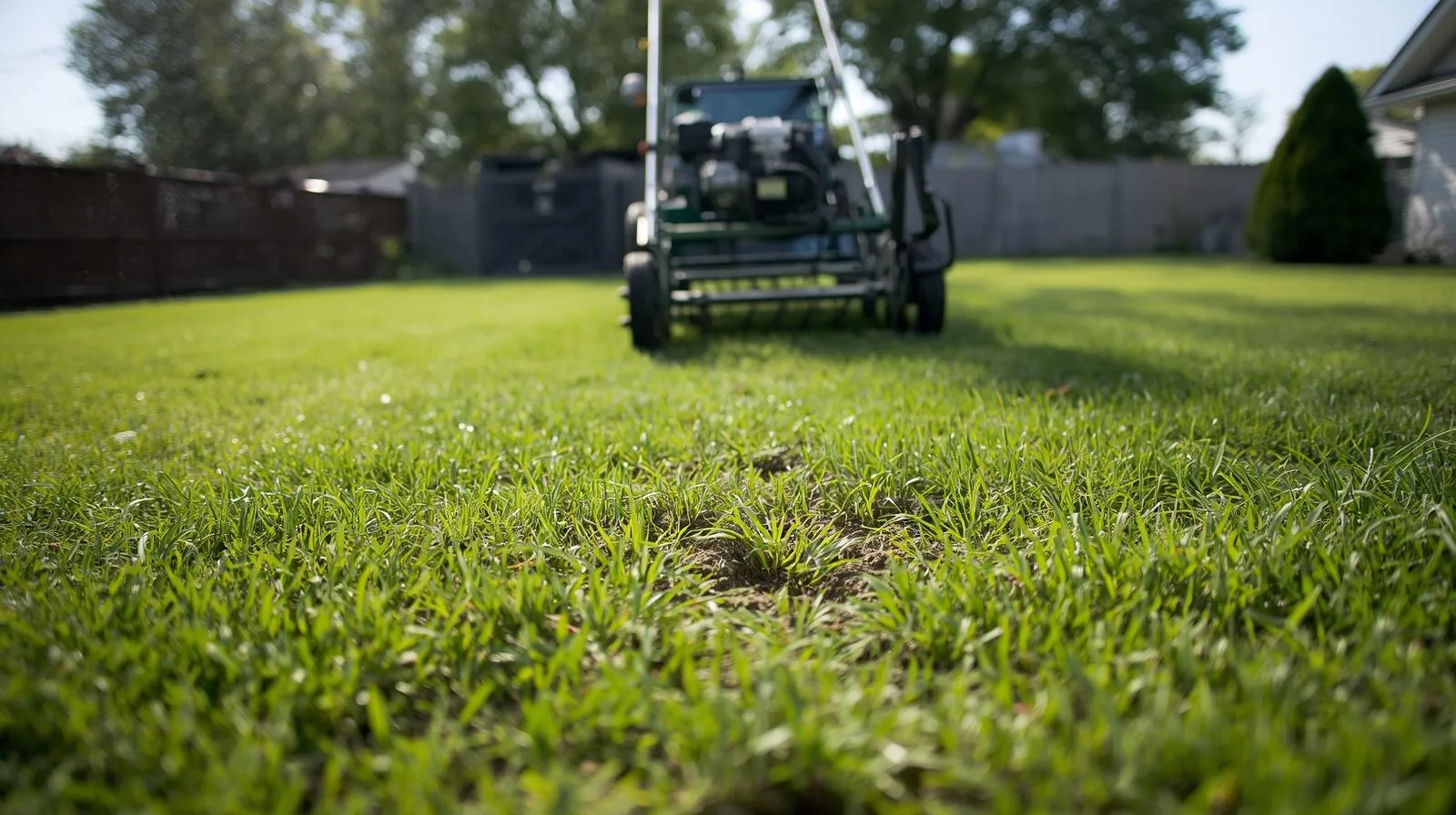
Open the soil when timing is right. Core openings let air and water move deeper instead of sitting on top. That matters after a winter of steady rain. Our aeration service page explains how this fits local lawns. Many homeowners pair mechanical opening of the soil with spreading new seed in fall when cool season grass establishes best. Spring can work for small repairs if the ground is firm enough to walk on without leaving deep prints. Move water on purpose. If puddles sit for more than a day after a storm, moss is only the visible clue. Read standing water and drainage in Western Washington for a straight explanation of why wet ground hurts turf and invites pests. Longer downspouts, clean gutters, and gentle regrading of obvious low bowls are boring jobs that change outcomes. Let a little more light in. You do not need to remove a favorite tree. Often lifting the lowest limbs and taking out one crossing branch buys enough mid day sun for grass while keeping shade on the patio. If an area truly sees little direct light, plan for a shade tolerant seed mix rather than fighting nature with a full sun blend. Match food and soil chemistry to a test. Western Washington lawns often lean acidic. When the soil is too sour, fertilizer helps less because roots struggle to pull nutrients in. Lime treatments guided by a soil test move the chemistry in the right direction over time. This is patient work, not a single weekend miracle. Keep weeds from stealing the repair window. Bare soil invites both moss and broadleaf weeds. A steady weed control plan clears space while grass thickens. Skipping this step is how people seed the same patch three times and still see mostly weeds by July.
When moss points to bigger trouble
If the side yard squishes for days after every storm, fixing moss on the surface will not solve the whole story. Saturated soil against the foundation also nudges ants and other pests to explore the wall line. Tie lawn work to the wider spring checklist in getting your yard ready for spring in the Puget Sound so drainage, turf, and pest pressure are part of one picture.
Do it yourself steps that stay sensible
Rake out loose moss when it is brittle after a dry spell, but know raking alone does not change the conditions that invited it back. If you enjoy hands on work, scratch the surface lightly, spread seed matched to the light level, and add a thin layer of compost where your grass type tolerates it. Water often enough to keep seed moist without making new puddles. Follow label rates on any fertilizer and avoid heavy pushes on weak turf. If the same corner fails for three seasons, treat it as a design choice. A mulch bed, stepping stones, or low ground cover may fit better than endless war for turf in deep shade.
How we help as Sunrise Pest and Turf Management
We serve homeowners across our service areas, including Tacoma, Everett, Olympia, and towns around the Sound. Our lawn care services team looks at compaction, nutrition, realistic light, and timing that matches local weather instead of a national calendar. If you want a season long plan rather than scattered guesses, call (888) 376-9109 or reach out through our contact page.
Quick reminders for busy weeks
Sun breaks are short in March. Pick one weekend for gutters and downspouts, another for limbing trees if needed, and a third for soil work when the ground is workable. Small steady moves beat one exhausted Saturday that leaves half the list undone.
What to watch after you seed
- Spots that stay shiny wet half a day after a light rain
- Birds pulling seed from bare patches
Weeds popping faster than grass in thin areas Adjust water, add a light cover where rules allow, and lean on your weed control plan instead of hand pulling every hour.
Closing thought
Moss in a Puget Sound lawn is normal feedback from the environment, not a personal failure. Change what you can about water, light, and soil, choose seed that fits the real sun level, and connect turf health to how moisture moves around the house. That combination is how Silverdale and Bremerton yards slowly turn consistent again without promising overnight magic.